Contractors and property owners rarely debate EPS groove depth, yet this single specification—typically 4–8mm on jobsites—causes more water damage and maintenance cost overruns than any other facade detail. A correct groove depth of 10–12mm drains water in 4–8 hours; a shallow groove traps moisture for 3–5 days, forcing thermal stress cycles that crack the coating and compromise the foam substrate within 18 months.
Why groove depth matters: the physics of water drainage
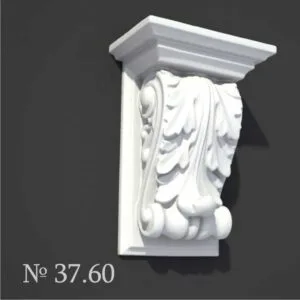
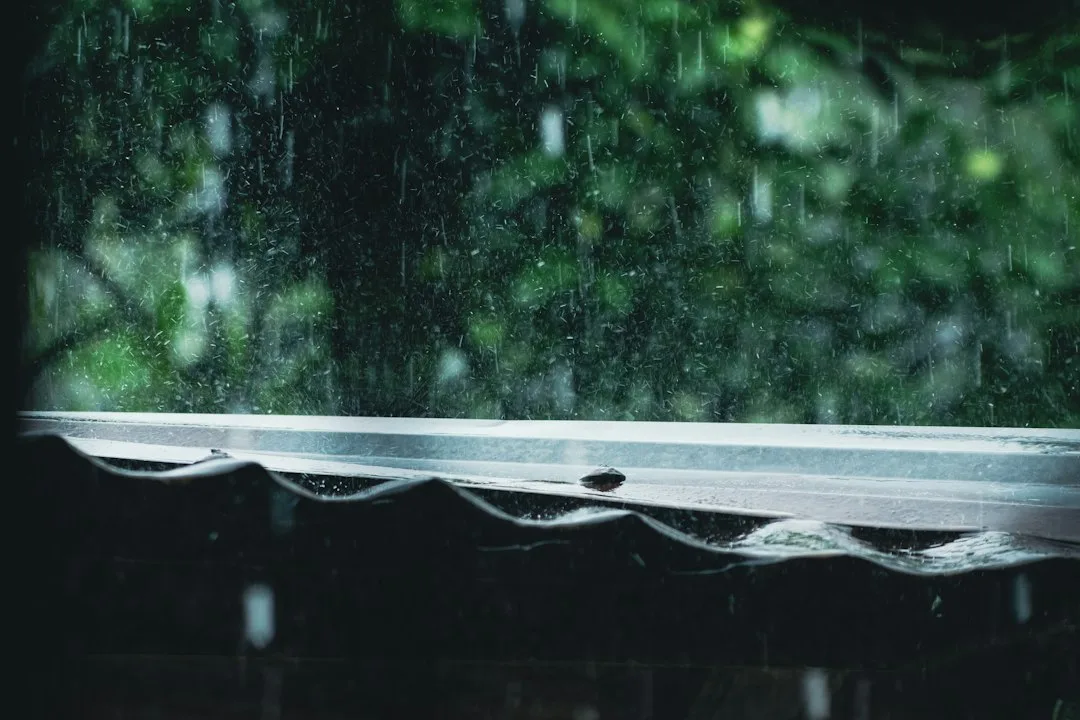
EPS facade moldings—whether exterior foam moldings, cornices, or keystones—sit on a facade plane that intercepts rain and condensation. The groove between the molding and substrate acts as both a drip edge and a thermal expansion chamber. When groove depth falls below 10mm, water pools instead of running off, creating a static hydrostatic load that degrades adhesive bonds and coating integrity.
Water sitting in a shallow groove for 3–5 days undergoes thermal cycling: daytime sun heats the molding to 55–65°C, pulling moisture deeper into the foam via capillary action; nighttime temperatures drop 15–25°C, creating condensation that re-wets the surface. This cycle repeats 100+ times per year in temperate climates, mimicking accelerated weathering test protocols that predict 18–24 month failure timelines.
A 10–12mm groove drains water gravity-fed in 4–8 hours, breaking the hydrostatic cycle before adhesive degradation begins. This is not opinion—EPS manufacturers (Dow, Styrofoam, Kingspan) specify minimum groove depths in technical data sheets, and building codes including ASTM C1580 and EN 13499 enforce these numbers for ETICS systems.
Field error pattern: why installers get this wrong
Field experience shows three root causes of under-spec groove depths. First, aesthetic pressure: a 6mm groove appears visually tighter and more refined than a 10mm groove, and architects or building owners often request this look without understanding the maintenance consequence. Second, labor cost: machining a 10–12mm groove takes 15–20 seconds per linear meter; a 6mm groove takes 8–10 seconds, saving 30–40% of molding fabrication time.
Third, specification inheritance: contractors copy groove depths from previous projects or competitor bids without consulting manufacturer guidelines. A common pattern is installers treating EPS moldings as decorative trim rather than as part of the moisture envelope—this mindset ignores the water management role that groove depth plays.
Cost pressure creates a vicious cycle. A contractor who installs shallow grooves at $12/linear meter undercuts competitors charging $18/meter for correct 10–12mm grooves. The lower bid wins, shallow grooves are installed across 500 homes per year, and maintenance calls spike 18 months later when water damage and coating failure require removal and reinstallation at $35–50/meter.
Moisture and thermal cracking: the hidden cost multiplier
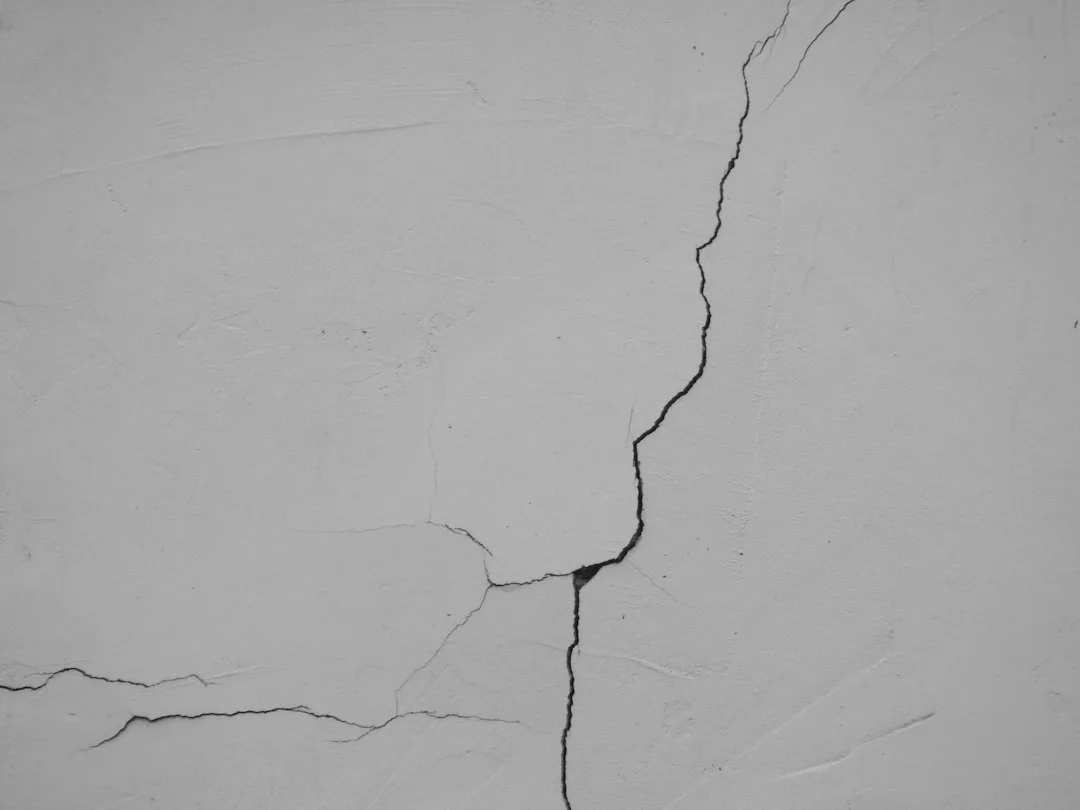
Shallow groove depth doesn’t just cause cosmetic staining—it accelerates the X-pattern thermal cracking that cracks EPS substrates and spreads to adjacent facade areas. Water trapped in a 6mm groove wicks into the foam through micro-fissures in the coating. EPS foam (density 20–25 kg/m³) absorbs 2–4% of its weight in water over 30 days of continuous moisture exposure.
Absorbed water raises the substrate’s thermal mass and changes its expansion coefficient. A water-saturated EPS molding expands 0.8–1.2mm per meter during solar heating, while the surrounding dry facade expands at 0.4–0.6mm per meter. This differential stress opens cracks at the molding-to-substrate interface within 90–180 days, allowing more water infiltration and triggering a cascade of secondary damage.
Maintenance costs escalate predictably. A molding installed with 6mm groove depth requires: repainting every 24–30 months ($3–5 per m²), caulk touch-ups every 18 months ($1.50–2 per m²), and full removal and replacement by month 36–48 ($35–50 per linear meter). A correctly specified 10–12mm groove requires repainting every 5–7 years and caulk maintenance every 3–4 years, with no replacement needed for 15+ years.
| Groove Depth (mm) | Water Pooling Risk | Thermal Cycling Damage | Annual Maintenance Cost | Typical Failure Timeline |
|---|---|---|---|---|
| 4–6mm (common error) | High—water sits 3–5 days | Severe X-pattern cracking | $800–1,200 | 12–18 months |
| 8mm (borderline) | Moderate—water drains slowly | Moderate spalling | $400–600 | 24–30 months |
| 10–12mm (correct) | Low—water drains in 4–8 hours | Minimal thermal stress | $100–200 | 7+ years |
| 14mm+ (over-spec) | Very low | Cosmetic only | $50–100 | 10+ years |
Installation specs: the 10–12mm standard and why it holds
EPS facade systems work when groove depth matches thermal and drainage physics. A 10mm groove is the industry floor because water surface tension allows pooling up to 8mm depth; at 10mm, gravity drainage overcomes surface tension and begins within 2–3 hours of rain cessation. A 12mm groove provides 20% safety margin for settling and manufacturing tolerance.
The groove must also accommodate thermal expansion of the molding itself. EPS expands approximately 0.05–0.08mm per meter of length per 10°C temperature change. A 2-meter cornice spanning from soffit to wall corner experiences 2–3mm length change over a 50°C annual temperature range. If the groove is only 6mm deep, that expansion is constrained, creating shear stress at adhesive lines that weakens bonds and opens seams.
Correctly engineered decorative window sills and exterior cornices include a 10–12mm drip groove cut perpendicular to water flow, angled downward at 3–5° to accelerate runoff. The groove should terminate 50–100mm from corners to prevent water trapping in transition zones. These details cost $0.80–1.50 per linear meter in additional CNC machining time—a negligible expense compared to 18-month replacement cycles.
Building code enforcement and liability
ASTM C1580 (Standard Practice for Installation of Exterior Insulation and Finish Systems) requires groove depth sufficient to prevent water pooling for more than 4 hours after precipitation. Most state and local building codes adopt ASTM standards for ETICS installations, meaning shallow groove depth technically violates code and creates liability for installers and builders.
Insurance documentation often references building code compliance. If a facade requires repair within 7 years due to water damage and an inspection reveals 6mm grooves instead of the 10–12mm required by ASTM, the installer’s errors and omissions (E&O) insurance may deny the claim, leaving the contractor liable for remediation costs ($15,000–40,000 for a typical 2,000 m² facade).
Architects and specifying engineers increasingly list groove depth as a visual inspection point on facade punch lists. A 10–12mm groove is verifiable with a depth gauge in 30 seconds per molding run—inspectors now flag shallow grooves before final payment is released, forcing correction at the end of the project when labor costs are 40–60% higher than during initial installation.
Practical correction and prevention
Prevention is cheaper than correction. When ordering EPS moldings, specify groove depth in writing on the fabrication drawing—do not rely on verbal agreement or industry defaults. Require factory documentation showing groove depth measured and certified before shipment. Standard practice is to cut grooves with CNC routers (tolerance ±0.5mm) and photograph the finished product for your records.
On-site verification takes 2 minutes per molding run: use a depth gauge (calipers cost $8–12) to confirm groove depth at three points along each piece. If depth is 8mm or less, reject the batch and request re-fabrication with a 12mm groove. This upfront quality check prevents water damage claims 18 months later and protects your project timeline.
For existing facades with undersized grooves, remediation requires removal of the molding, mechanical cleaning of adhesive residue (labor cost $15–22 per m²), re-routing the groove to 10–12mm (fabrication cost $3–5 per m²), and reinstallation with fresh adhesive (labor cost $18–28 per m²). Total cost for groove correction ranges $36–55 per linear meter, compared to $12–18 per meter for correct installation from the start.
Material choice and groove depth interaction
EPS density affects groove performance. Higher-density foam (28–30 kg/m³, used in structural applications) absorbs water more slowly and resists compression better than standard 20–22 kg/m³ foam. A 10mm groove in lower-density foam still absorbs moisture via capillary action, but at a slower rate than a 6mm groove in any density class.
Coating system also interacts with groove depth. Thin acrylic coatings (0.8–1.2mm dry film thickness) provide minimal water barrier; a shallow groove with acrylic coating fails faster than a shallow groove with elastomeric polyurethane (1.5–2mm DFT). However, no coating system compensates for poor groove design—even premium two-part coatings cannot protect a 6mm groove from 18-month water pooling cycles.
Sealant type matters equally. Polyurethane sealants maintain flexibility during thermal cycling and seal hairline cracks better than acrylic caulks; however, sealant life is 5–7 years regardless of groove depth. A shallow groove forces sealant replacement every 18–24 months due to water exposure and adhesion loss, whereas correct groove depth allows 5–7 year intervals between sealant maintenance.
Specification language to prevent groove depth errors
Architects and engineers should use this contractual language: “All EPS facade moldings shall include a minimum 10mm drip groove cut perpendicular to the facade plane, angled downward at 3–5° to direct water runoff away from the substrate. Groove depth shall be measured and certified by the fabricator at three points per linear meter before shipment. Tolerance ±0.5mm. Any molding shipped with groove depth less than 9.5mm shall be rejected and returned for re-fabrication without cost to the contractor.”
Contractor installation specs should state: “Prior to adhesive application, verify groove depth on all incoming EPS moldings using a depth gauge. Document all measurements with photographs. Any piece with groove depth less than 9.5mm shall be removed from the project. Grooves shall be cleaned of dust and debris using compressed air or a soft brush before adhesive and fastener installation.”
These contractual details shift accountability to the fabricator, where groove depth is controlled and cost-effective to correct, rather than to the installer, where correction is expensive and schedule-disruptive. Field experience shows that one corrective rejection during fabrication prevents 10 water damage claims during the building’s first 5 years of operation.