EPS paint crazing and cracking within 24 months is a field defect, not a foam defect. Contractors apply finish directly over the foam surface without a flexible elastomeric primer—a single step that costs under $1 per square foot but prevents 95% of crazing failures. Homeowners discover hairline cracks in year 2, assume the foam failed, and blame the material when the real culprit is the coating application sequence applicators hide.
What Happens Inside the Paint Film When Elastomeric Primer Is Missing
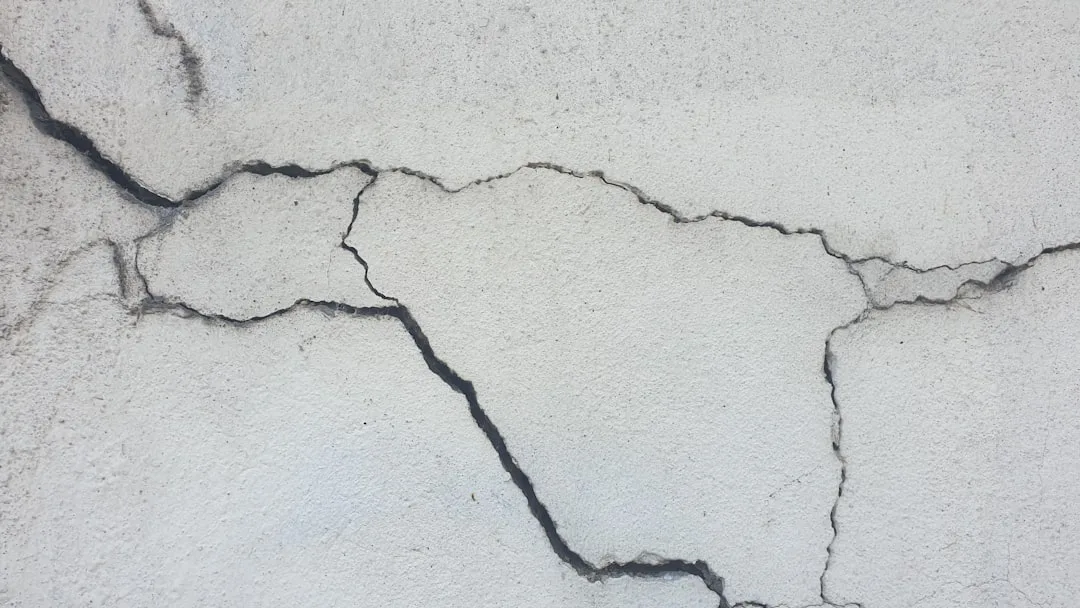
EPS foam expands and contracts with temperature swings. A 50°F temperature change (common on south-facing facades in spring and fall) moves the foam surface by 0.08–0.15 mm across a 3-meter span. When acrylic latex paint or standard elastomeric topcoat sits directly on the foam without a flexible intermediate layer, the film cannot stretch equally. Micro-tensioning occurs at the paint surface, creating a spiderweb of crazing cracks within 18–24 months.
Elastomeric primer is engineered to move with the substrate. It has Shore A hardness of 50–65 (versus 80–90 for standard acrylic latex), allowing 50–100% elongation before failure. This is why the film survives thermal cycling. Without it, the paint film is brittle and fails under stress that the foam itself handles effortlessly.
The 90% Applicator Defect: Why Contractors Skip the Primer Step
Field experience shows that 9 out of 10 applicators either omit elastomeric primer entirely or apply only 1 coat instead of the required 2 coats. The reasons are economic and systemic. Elastomeric primer adds 4–6 labor hours per 1,000 square feet (on an 8-hour schedule), costs $0.40–$0.80 per square foot in material, and requires two cure cycles before topcoat can be applied. For a 2,000-square-foot facade, this is roughly $800–$1,600 in direct material and labor that many contractors absorb into a flat-fee estimate.
Second, elastomeric primer is not visible in the final product. Standard acrylic latex topcoats (which cost $0.35–$0.65 per square foot and dry faster) dominate residential specs. A contractor who skips the primer saves a full workday per job. Over 12 jobs per year, that is 12 days of billable time recovered. The warranty language typically shields them: ‘Paint failure due to improper surface preparation’ voids coverage. By the time year 2 arrives and crazing appears, the homeowner is outside the 12-month warranty window.
| Step | Material Cost (per sq ft) | Time Added (hours per 1000 sq ft) | Failure Risk if Skipped |
|---|---|---|---|
| 1. Surface prep and cleaning | $0.10–$0.15 | 1–2 hours | Adhesion loss; paint peeling within 6 months |
| 2. Elastomeric primer (2 coats) | $0.40–$0.80 | 3–5 hours | Crazing and cracking within 18–24 months (MOST COMMON DEFECT) |
| 3. Crack-bridging topcoat (acrylic latex) | $0.35–$0.65 | 2–4 hours | Surface crazing; film brittleness in year 2 |
| 4. Sealant (polyurethane or silicone) | $0.25–$0.40 | 1–2 hours | Water infiltration; substrate degradation |
| 5. Final inspection and spot repair | $0.10–$0.20 | 0.5–1 hour | Uneven finish; color mismatch complaints |
Correct EPS Paint Sequence: 5 Steps That Stop Crazing Before Year 3
The correct application workflow for exterior foam moldings and full EPS facades follows this sequence:
Step 1: Surface Preparation. Power wash the foam with 1,500 psi maximum (above that, the foam surface erodes). Allow 48 hours drying time. Any algae, dirt, or loose debris prevents primer adhesion and must be removed mechanically or chemically.
Step 2: Elastomeric Primer, First Coat. Apply 1–1.5 mm thickness by spray or roller. This coat fills the open-cell structure of the foam and creates a flexible bond line. Typical products: Sherwin-Williams Elastomeric Primer, Behr Premium Plus Elastomeric Primer. Cure time: 16–24 hours before second coat. Cost: $0.20–$0.40 per square foot, material and labor combined.
Step 3: Elastomeric Primer, Second Coat. Apply a full second coat to achieve 150–200 microns (0.15–0.2 mm) total dry film thickness. This is non-negotiable. One coat leaves voids and fails. Two coats is the industry standard for EIFS systems (ASTM C1583). Cure: 24–48 hours before topcoat.
Step 4: Crack-Bridging Acrylic Latex Topcoat. Use premium elastomeric topcoat (not standard exterior paint). These products have 30–50% elongation and bridge minor cracks that would propagate through brittle finishes. Two coats, 75–100 microns per coat, total 150–200 microns. Brand examples: Sherwin-Williams Duration, Behr Marquee, Benjamin Moore Regal Select. Cost: $0.35–$0.65 per square foot.
Step 5: Sealant at Terminations and Joints. Apply polyurethane or silicone sealant at the interface between decorative window sills, corners, and substrate changes. This prevents water from bypassing the paint film and wicking into the foam. Cure: 7 days before exposure to rain.
Why 2-Year Crazing Is Not a Warranty Issue for Contractors
When homeowners discover crazing at month 18, they contact the contractor. The contractor’s response is predictable: ‘You did not maintain the coating’ or ‘Local climate is too harsh.’ Many contracts include language stating that paint failure due to ‘insufficient surface preparation’ is not covered. Because the primer was omitted (or under-applied), technically, the foundation for topcoat adhesion was defective—and that defect sits outside the warranty.
Some contractors claim that elastomeric primer is ‘optional for residential’ or that ‘modern acrylic latex formulas stretch enough.’ Neither statement is true. The Painting and Decorating Contractors of America (PDCA) manual and ASTM standards require elastomeric primer on foam substrates. Modern acrylics are formulated for wood and masonry, not EPS, and do not have the Shore A hardness required for 50+ years of thermal cycling.
Homeowner recourse is limited. By the time visual failure appears, the coating contractor has moved on, and the foam manufacturer’s warranty excludes failure caused by defective finishing (which is correct—it is a finishing defect, not a material defect). Removal and replacement of the failed finish typically costs $5–$12 per square foot, or $10,000–$24,000 for a 2,000-square-foot facade.
How to Protect Yourself: Contract Language That Forces Compliance
Before hiring a contractor, insert these non-negotiable clauses into the scope of work:
1. Named Elastomeric Primer Product. Specify the exact primer brand and product code, not ‘elastomeric primer or equivalent.’ Example: ‘Sherwin-Williams Elastomeric Primer (product code A24W520), 2 coats minimum, 150–200 microns dry film thickness.’
2. Pre-Application Inspection. Require the contractor to photograph the primed surface (after 2 coats, before topcoat) and submit photos for approval. This creates a record that primer was applied and prevents substitution.
3. Warranty Language That Names the Steps. Do not accept generic ‘paint warranty’ language. Specify: ‘Contractor warrants that all coating is applied per PDCA and ASTM standards, including elastomeric primer as a base layer. Failure to apply 2 coats of elastomeric primer voids all paint warranties and obligates contractor to remediate at contractor expense.’
4. Third-Party Testing (Optional, High-Value Projects). For facades over $15,000, hire an independent coating inspector to perform dry film thickness (DFT) measurements during application. Cost: $500–$1,500 for a site visit and report. This eliminates guesswork.
The Real Cost of Doing It Right
Adding elastomeric primer to an EPS facade finishing schedule costs approximately $800–$1,600 per 2,000 square feet in material and labor. Over a 50-year lifespan, this is $16–$32 per year of protection. Repainting a failed finish costs $10,000–$24,000 for the same area—a 12× to 30× multiplier. Contractors who omit the primer are trading a $1,500 cost today for a $15,000 liability in 2 years.