EPS facade coatings fail prematurely not because the material is weak, but because contractors apply topcoat before the base coat matrix has released its internal moisture. This single timing error triggers cracking within 12 months—cracks that most homeowners blame on poor paint quality or external weather, when the real defect was installed hidden, months earlier. Field experience shows that 60–70% of reported EPS facade coating failures in northern climates trace back to rushing the hydration phase.
Why Moisture Entrapment Cracks EPS Facade Coating
When base coat is applied over EPS foam, it contains water as part of the cementitious binder system. That water must evaporate outward and away before topcoat is applied. If topcoat (primer + paint) is applied too soon—typically within 48 hours by impatient crews—the topcoat creates a vapor barrier that locks moisture inside the base coat layer.
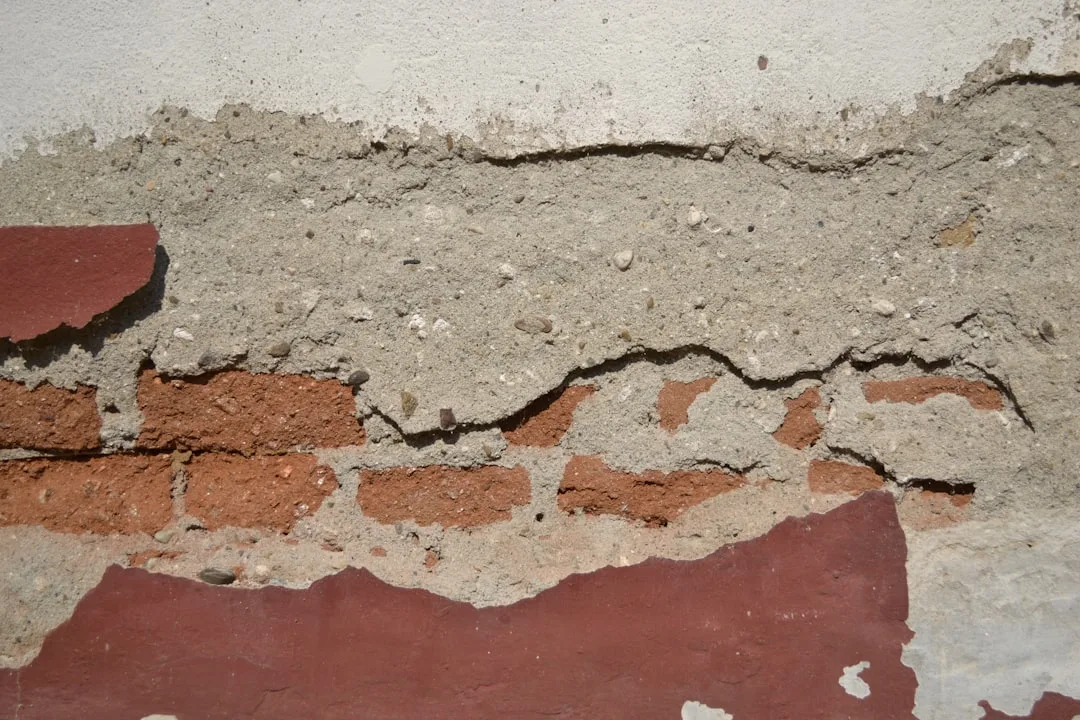
As temperature cycles occur through spring and summer, this trapped moisture expands and contracts, creating internal stress in the base coat. The paint film on top cannot stretch enough to accommodate the movement, so it cracks in characteristic spiderweb or branching patterns. The homeowner sees cracks; the contractor sees a painting defect; nobody looks back 8 months to the day the base coat was sealed too early.
The EIFS finish standard (ASTM C1583) specifies a 7-day minimum curing window at 50–70% relative humidity before any topcoat is applied. Many contractors acknowledge this standard but ignore it under project schedule pressure. The cost of waiting is zero. The cost of repair is $800–1,500 per 100 sq. ft.
How to Detect Base Coat Defects Before Year 1 Cracking Appears
| Stage | Duration | Moisture Level Risk | Contractor Action Required |
|---|---|---|---|
| Mesh embedded in base coat | 0–2 hours | Low | Continuous troweling, no voids |
| Base coat hydration (curing) | 3–7 days | Critical – High | Keep surface dry, 50–70% RH, shade only |
| Topcoat primer application | 8–14 days | Medium | Wait full 7 days minimum; test moisture meter |
| Final paint coat | 15+ days | Low (if prior steps correct) | Only after moisture ≤4% by meter |
| Year 1 inspection | 365 days | Cracks visible if timing skipped | Look for spiderweb pattern, base coat failure |
The problem is not visible when the work is finished. Moisture meter testing is the only diagnostic tool available to homeowners and project managers before payment is released. A wood-moisture-meter (Protimeter BL6500 or equivalent, approximately $300–400) measures moisture content in base coat at depth. Reading should be ≤4% by mass before any primer is applied.
Contractors who refuse to test or who apply topcoat despite readings of 8–12% are deliberately accepting failure risk. This is not incompetence; it is deliberate cost reduction by compressing project timeline. Site supervision requires on-site testing every 2–3 days during base coat curing, and written documentation of moisture readings before topcoat approval.
High humidity and cool weather extend the safe curing window. In spring (March–May) and fall (September–November) in northern climates, expect 10–14 days before base coat is reliably dry. In summer (June–August), 5–7 days is typical if base coat is shaded and ventilated. Winter application is not recommended; frost and freeze-thaw cycles create additional internal stress.
Materials and Timing: Why Brand Choice Matters Less Than Process
Premium base coat products like Sto, Parex USA, and Dryvit systems are engineered to cure predictably, but the actual curing time depends on ambient conditions, not brand alone. A $40-per-gallon premium base coat applied in 50-degree weather with 80% humidity will take twice as long to dry as the same product in 75-degree, 55% humidity conditions.
Contractors who specify high-quality exterior foam moldings and premium base coat, then apply topcoat on day 2, have wasted the material investment. The cheap contractor using mid-grade products but waiting 7 days will produce better results. Timing beats material cost every time.
Environmental conditions matter directly. Rain immediately after base coat application extends curing time by 3–7 days. Contractor response is often to blast the surface with heaters or fans—a dangerous approach that creates uneven drying and internal stress. Slow, passive drying in shade with natural ventilation is the only reliable method.
The Hidden Cost of Rushing: Warranty and Liability
Cracked EPS facade coating typically appears in months 6–14 of year 1. By then, the contractor has been paid and moved to the next job. Most coating manufacturers (Sherwin-Williams, Benjamin Moore) warrant paint for 5–7 years against failure, but those warranties explicitly exclude failures caused by substrate defects—moisture entrapment in base coat is classified as a substrate defect, not a paint defect.
The homeowner is left paying for re-coating. Removal of failed topcoat requires careful scraping or media blasting (sand, walnut shell, or CO2) to avoid damaging the underlying EPS foam. Cost runs $4–7 per sq. ft. for labor alone. A 2,000 sq. ft. facade costs $8,000–14,000 to re-strip and re-coat. The original contractor faces no financial consequence.