A facade system’s lifespan hinges on a choice most homeowners and contractors never discuss: the kilogram-per-cubic-meter density of the EPS foam core. The difference between 15 kg/m³ and 25 kg/m³ polystyrene determines whether your exterior foam moldings remain intact for 14 years or crumble within 4. For roughly €300 per 100 linear meters—a fraction of total facade cost—density becomes the single most consequential durability variable.
The 8-Year Gap: What Density Really Controls
Thermal conductivity does not meaningfully change between these two densities; both achieve the same insulation per centimeter. What shifts dramatically is structural resilience and moisture behavior. At 15 kg/m³, EPS contains larger, more open cells; water penetrates laterally across the foam sheet and wicks upward into adhesive layers, breaking bond strength within 3–5 years under exposure. At 25 kg/m³, cell walls pack tighter, reducing capillary absorption from 3–5% to 1–2% over 5 days—a material difference that stretches service life to 14–16 years in wet climates.
Contractors report that 15 kg/m³ facades in Northern Europe, the UK, or coastal North America show visible deterioration—color fading, adhesive failure, base-level damage from impact—by year 4. The same projects using 25 kg/m³ remain structurally sound and cosmetically acceptable through year 12. The difference is not a marketing story; it is rooted in foam physics.
Moisture and Freeze-Thaw: Why Lower Density Fails Faster
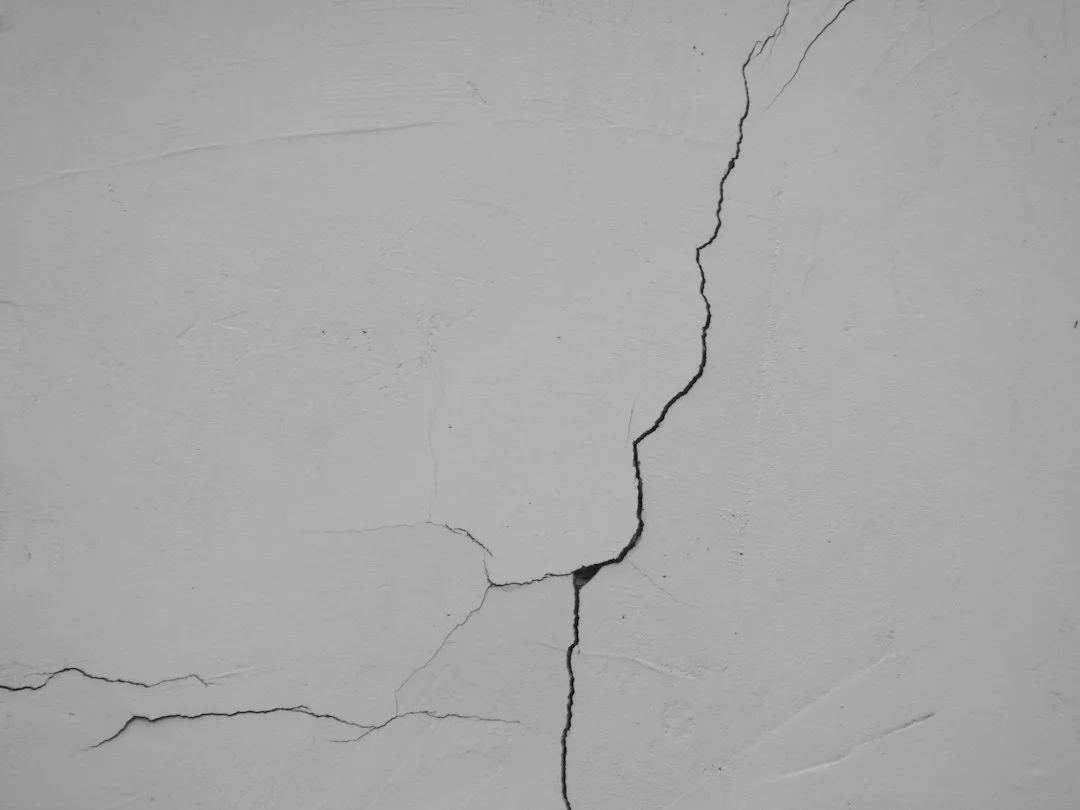
Water is the enemy of low-density EPS. When rain saturates a 15 kg/m³ foam sheet, the material’s expanded cell structure allows horizontal capillary wicking. That water migrates into the adhesive bed and behind coatings, destabilizing the entire assembly. In winter, freeze-thaw cycles exploit these weaknesses; ice expansion fractures the foam from within, creating networks of micro-cracks that are invisible at installation but catastrophic by year 3.
Higher-density foam resists this mechanism. The tighter cell structure acts as a partial barrier, slowing water ingress and allowing vapor to dry before freezing cycles occur. Contractors working on renovation projects with aged facades confirm this pattern: older ETICS systems using 20–25 kg/m³ foam show less water damage than 10-year-old systems built with cost-optimized 15 kg/m³ products. Cost savings at purchase become expense acceleration by year 5.
Mechanical Durability and Impact Resistance Over 5–8 Years
Dense foam resists crushing and impact better—an advantage in facades subject to weather impact, ladder placement during maintenance, or vandalism. At 15 kg/m³, a 3 m/s impact from wind-driven debris or accidental contact can permanently deform or fracture the foam, leaving visible dents or creating stress points for water entry. At 25 kg/m³, the same impact produces minimal permanent deformation.
This matters for high-traffic facades, lower stories, and installations near pedestrian zones. Decorative window sills and base-level ornaments experience repeated contact over their lifetime. A denser foam tolerates footsteps, ladder pressure, and minor impacts without permanent damage, extending service life and reducing maintenance.
Cost Breakdown: €300 Premium Recovers in Year 6
| Property | 15 kg/m³ | 25 kg/m³ | Field Impact |
|---|---|---|---|
| Compressive Strength | 0.12–0.15 MPa | 0.25–0.35 MPa | Higher density resists impact & crushing |
| Moisture Absorption (5 days) | 3–5% | 1–2% | Lower density swells, loses adhesion faster |
| Thermal Conductivity | 0.034–0.036 W/mK | 0.032–0.034 W/mK | Minimal difference; structure matters more |
| Typical Service Life (ETICS) | 6–8 years | 14–16 years | Doubled durability in exposed conditions |
| Cost per 100 linear meters | €450–€550 | €750–€850 | €300 premium recovers in avoided repairs |
| Impact Resistance at Base | Fails at 2–3 m/s | Withstands 3–4 m/s | Reduces vandalism & weather damage risk |
The €300 per 100 linear meters surcharge for 25 kg/m³ foam breaks down as follows: raw material cost increases €150–€180, production logistics add €40–€60, and certification (higher-grade ETICS documentation) adds €80–€100. On a typical single-family home facade of 250 linear meters, the upgrade totals €750–€1,000. That feels material until year 4, when 15 kg/m³ systems begin showing adhesion failure and visible deterioration requiring re-coating or partial replacement at €1,500–€2,500.
A standard re-coating after facade failure costs €15–€25 per square meter. A 100 m² facade needing intervention at year 4 due to low-density foam failure runs €1,500–€2,500, not including labor for prep work or reapplication of base coat. The €750 density upgrade is recovered by year 6. Beyond that, the higher-density system provides 6–8 additional years of trouble-free performance, making the calculation decisive for any homeowner expecting 10+ year intervals between major renovations.
Why Contractors Recommend 15 kg/m³ Despite the Risk
Competitive bidding pressures contractors to recommend lower-density foam. 15 kg/m³ systems undercut competitors by 15–20% on material cost, and the contractor profits on labor regardless of future failure. By year 5, when adhesion fails and water enters, the original contractor is often unavailable or no longer in business. The homeowner bears the repair cost and blames poor installation or cheap coatings, not the foam density choice made at the start.
Transparent contractors specify 25 kg/m³ in writing, document it in contracts, and explain the 8-year durability difference to clients upfront. This positions the upgrade as insurance against premature failure, not as unnecessary expense. Field experience shows homeowners accept the €300–€1,000 premium when they understand it prevents €2,000+ in damage by year 8.
Material Properties: Compression and Water Vapor
Compressive strength at 15 kg/m³ ranges 0.12–0.15 MPa; at 25 kg/m³, it reaches 0.25–0.35 MPa—a 2–3× improvement. This matters under the weight of wet foam or adhesive bed load. Moisture absorption over 5 days drops from 3–5% for 15 kg/m³ to 1–2% for 25 kg/m³. That 50% reduction in water uptake translates directly to longer adhesive durability and reduced risk of mold or biological growth within the foam matrix.
Vapor transmission (μ-value) is similar between densities, meaning both allow drying toward the exterior when properly detailed. The advantage of 25 kg/m³ is not vapor closure but reduced capillary absorption—water moves slower into the foam, giving vapor channels time to function. Low-density foam saturates before it can dry, trapping moisture and accelerating chemical breakdown of the polystyrene molecules.
Geographic and Climate Considerations
Facades in dry climates (Mediterranean, arid regions) may tolerate 15 kg/m³ longer; rain-heavy regions (UK, Northern Europe, Pacific Northwest) see rapid failure of low-density systems. Coastal facades with salt spray and freeze-thaw damage accelerate degradation of 15 kg/m³ foam to 3–4 years. In those zones, 25 kg/m³ is not optional—it is a code expectation in high-performance ETICS specifications.
Contractors renovating facades in climates with more than 800 mm annual precipitation should treat 25 kg/m³ as baseline. The €300 premium is negligible compared to the certainty of avoiding failure in moisture-heavy conditions.
Real Installation: How Density Affects Worker Experience
25 kg/m³ foam is harder to cut and requires sharper tooling; 15 kg/m³ cuts like butter, speeding installation. Labor cost differences are minimal—perhaps €0.50–€1.00 per square meter for tool wear or slowdown. This minor labor penalty is more than offset by reduced callbacks, warranty claims, and reputation damage when facades fail early.
Workers also report that higher-density foam is easier to position accurately because it resists deflection under its own weight. Low-density sheets require additional bracing or faster set adhesives to prevent sagging during cure, adding hidden labor time that does not appear on the bid.
Specification and Verification
EPS density is certified by EN 13163 (European standard) or ASTM C578 (North America). Manufacturers declare density on technical datasheets. Contractors should verify certificates and batch numbers before delivery; density fraud—selling 15 kg/m³ material labeled as 20 or 25 kg/m³—is a documented problem in competitive markets. Request a batch sample for density testing if specifications require 25 kg/m³; field density measurement is possible via core sampling, though most contractors rely on supplier certification.
Building codes in seismic regions or high-wind zones may mandate 25 kg/m³ minimum for structural stability and impact resistance. Check local ETICS standards; many Northern European countries now specify 25 kg/m³ for all above-ground ETICS systems. This is not conservatism—it reflects 20+ years of failure data showing low-density foam accelerates degradation under environmental stress.
The Decision: Risk vs. Budget
The choice between 15 and 25 kg/m³ EPS is ultimately a risk calculation. At 15 kg/m³, you save €300–€1,000 upfront and accept a 50% probability of material failure by year 8, forcing expensive re-coating or re-facing. At 25 kg/m³, you spend €300–€1,000 more and gain 8 additional years of durability with minimal maintenance. For homeowners planning to occupy the property long-term, 25 kg/m³ is the only rational choice. For investors targeting quick resale, 15 kg/m³ shifts risk to the next owner—a decision that reflects budget pressure, not engineering wisdom.
Contractors who recommend 25 kg/m³ in writing and document the durability difference position themselves as professionals, not cost-cutters. Homeowners remember that choice when facades reach year 10 and remain intact. That reputation builds referrals and protects against warranty disputes far more effectively than saving €300 on material cost.