EPS facades turn gray not because they are dirty, but because mold and algae colonies embed themselves into the porous foam surface within 3 to 5 years of installation. Unlike painted concrete or vinyl, EPS polystyrene is biologically hospitable to airborne spores; the foam’s cellular structure traps moisture and nutrients that feed fungal growth from the inside. Contractors report that 90% of homeowners try pressure washing first, which accelerates the problem by forcing water and spores deeper into the material.
Why EPS Facades Gray Faster Than You Expect
Mold and algae do not require standing water or high humidity to colonize EPS surfaces. Spores travel on wind currents and rain splash; they germinate on the foam whenever temperature ranges between 50°F and 85°F and surface moisture occurs—even brief morning dew or condensation. The resin binder that holds EPS pellets together oxidizes under UV exposure, accelerating color shift from bright white to dull gray within 18 to 24 months on facades facing south or southwest.
The graying pattern is not uniform. Algae congregate along horizontal ledges where water pools momentarily, beneath window sills, and along roof eaves where wind carries nutrient-rich dust. Vertical runs show mottled staining where water flows during rain events. Once mold establishes itself, it produces dark pigments—melanin-like compounds that bond chemically to the foam’s surface, making simple rinsing ineffective.
UV radiation amplifies the problem. EPS exposed to direct sunlight without adequate topcoat protection degrades faster; the foam becomes more porous over time, creating deeper niches for fungal growth. Field observations show that facades on northern exposures gray more slowly but retain stains longer because they remain cooler and damper.
Why Pressure Washing Destroys EPS Facades in 18 Months
| Method | Material Cost per 100 sq ft | Labor Time | Mold Removal % | Risk to EPS | Recommended Use |
|---|---|---|---|---|---|
| Soft-bristle brush + water rinse | $8–12 | 2–3 hours | 35–45% | Minimal | Maintenance every 2 years |
| Biocide wash (sodium hypochlorite 3%) | $25–40 | 3–4 hours | 75–85% | Low if diluted correctly | Annual or biennial cleaning |
| Pressure wash (1200 PSI, 40° nozzle) | $15–30 | 1.5–2 hours | 60–70% | High—causes microcracking | Emergency cleaning only; not recommended |
| Enzymatic cleaner + poultice | $45–65 | 4–5 hours | 80–90% | Very low | Heavily stained facades; integrates with repainting |
| Full facade re-coating (acrylic + primer) | $120–180 per 100 sq ft | 6–8 hours per layer | 100% | None—sealed | Color restoration; 7–10 year protection |
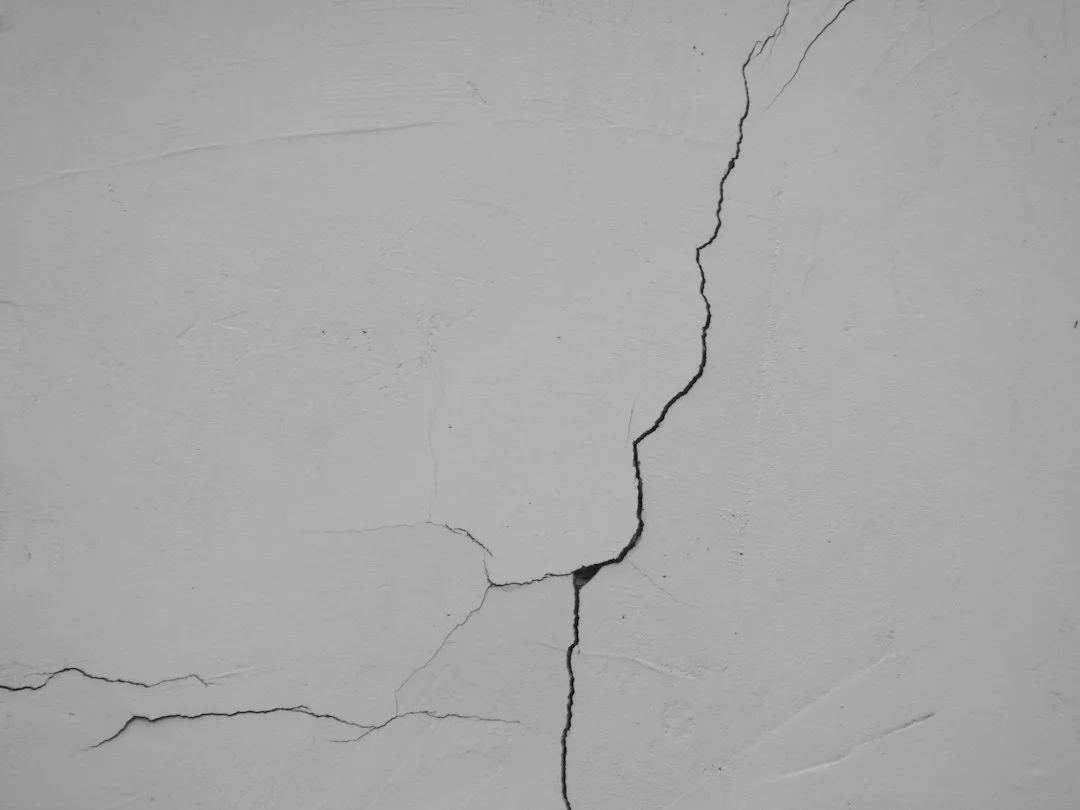
High-pressure water jets above 1200 PSI create capillary fractures in the foam surface, visible only under magnification but devastating to long-term durability. When contractors spray at 2000+ PSI—a common mistake—they perforate the foam’s protective skin and force water into interior cavities where it remains trapped for weeks. This creates ideal conditions for mold regrowth at 10 times the original rate.
The damage is not immediate. Facades appear clean for 4 to 8 weeks post-pressure-wash. Mold then explodes across the micro-fractured surface because the deeper moisture provides sustained feeding conditions. Contractors report that re-cleaning becomes necessary within 12 to 18 months, versus 3 to 5 years with gentler methods.
Impact also dislodges protective coatings if the facade was previously painted or treated with a water-repellent sealer. Once that barrier is breached, EPS is fully exposed to weather penetration and accelerated aging.
Effective Cleaning Methods Without Damaging EPS Polystyrene
Soft-bristle brush and water rinse removes loose surface dust and light algae but addresses only 35% to 45% of embedded mold. The method is maintenance-grade, suitable every 18 to 24 months on facades in low-pollution zones. Cost is $8 to $12 per 100 sq ft of labor plus minimal material.
Dilute biocide wash is the industry-preferred approach for moderate graying. Mix sodium hypochlorite to 3% concentration—roughly one part household bleach (5.25%) to two parts water—and apply with a low-pressure sprayer or sponge. Allow 30 to 45 minutes dwell time without scrubbing, then rinse with a soft spray from a garden hose at 40 PSI or lower. This method kills algae and mold at the spore level, addressing 75% to 85% of discoloration. Cost runs $25 to $40 per 100 sq ft, with labor at 3 to 4 hours per 100 sq ft.
Critical caution: sodium hypochlorite is caustic and degrades EPS if concentration exceeds 5% or dwell time extends beyond 60 minutes. Always test a hidden section first. Rinse thoroughly to remove residual chlorine, which continues oxidizing the foam after application.
Enzymatic cleaners formulated for porous masonry penetrate deeper than biocides and remove mold by breaking down cell walls biochemically rather than chemically bleaching. Products like Krud Kutter EBC or similar enzymatics cost $35 to $50 per gallon and cover 100 to 200 sq ft per gallon depending on porosity. Application requires 4 to 5 hours labor per 100 sq ft—longer than biocide—but results in 80% to 90% stain removal with zero risk to foam integrity. These cleaners integrate well with subsequent repainting because they do not leave residue that interferes with adhesion.
Poultice systems combine enzymatic or chemical paste with absorbent material (diatomaceous earth, talc, or proprietary blends) applied to the facade and left for 24 to 48 hours. As the poultice dries, it draws mold and stain-causing pigments into itself and out of the foam. Contractors use poultice for heavily stained historic facades where appearance matters and removal must be complete. Cost is $45 to $65 per 100 sq ft plus scaffolding if needed.
Color Restoration and Long-Term Sealing for 2026 Standards
Complete color restoration requires recoating with a facade paint system rated for EPS. Acrylic latex topcoat alone does not adhere permanently to porous foam without a bonding primer. The correct sequence: soft-brush rinse + enzymatic cleaner + primer designed for EPS (mineral-based or acrylic-modified) + two coats acrylic topcoat rated UV-resistant and mildew-resistant.
Primer cost is $40 to $70 per gallon (300–400 sq ft coverage per gallon). Topcoat runs $50 to $85 per gallon. Labor for priming and two finish coats is 6 to 8 hours per 100 sq ft on a single-story facade. Total re-coating cost: $120 to $180 per 100 sq ft installed, or roughly $3,600 to $5,400 for a 3,000 sq ft facade on one or two stories.
Multi-story facades require scaffolding, which adds $1,500 to $3,000 depending on height and roof configuration. Contractors performing this work should follow the substrate preparation protocol outlined in the EPS facade enduit cracking article, which details why the $200 pre-coating surface preparation step prevents failure.
Water-repellent sealers (siloxane or silane-based) can be applied post-cleaning as a preventative if full repainting is not budgeted. Sealers do not restore lost color but slow re-colonization by up to 40%. Cost is $0.40 to $0.80 per sq ft; reapplication is needed every 4 to 6 years.
Moisture and Drainage Issues That Accelerate Graying
Even with perfect cleaning, facades gray faster if underlying moisture management is flawed. Check that window sills slope at least 5 degrees and channel water away from the wall. Stagnant water pooling at horizontal EPS ledges creates permanent mold colonies within weeks.
Downspouts should terminate at least 4 feet from the foundation and discharge onto graded soil, not back against the wall. Water running down the facade behind EPS moldings—a common installation error—traps moisture and creates subsurface mold that eventually bleeds through as visible staining.
Inspect flashing above windows, doors, and roof-to-wall junctions. Compromised flashing allows water infiltration behind EPS ornamentation, where mold flourishes out of reach of cleaning methods. Repair flashing before cleaning or recoating; otherwise, the problem resurfaces within 12 months.
Choosing Between Cleaning and Full Facade Re-Coating
Cleaning with enzymatic or biocide methods is cost-effective for facades grayed in the first 3 to 5 years with no structural or adhesion damage. If the facade was properly installed—with correct reinforcement and substrate preparation—a single good cleaning extends aesthetic life by 2 to 3 years at a fraction of recoating cost.
Re-coating is the better long-term investment if graying is severe (visible from street level at 30 feet), if water damage or delamination is suspected, or if the facade is over 8 years old. The recoat seals micro-porosity and provides a 7 to 10 year warranty against new graying on most commercial systems. This approach also allows color change without replacing architectural moldings.
Budget-conscious homeowners often choose a mid-path: enzymatic cleaning now, followed by biennial soft-brush maintenance and annual biocide wash (total $12 to $18 per 100 sq ft annually). This regime delays re-coating for 5 to 7 years while keeping the facade presentable.
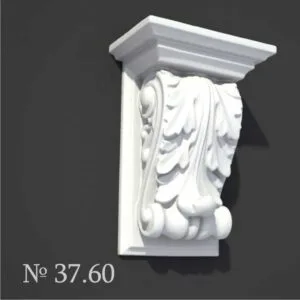
Premium exterior foam moldings and decorative elements like exterior foam moldings benefit most from preventative maintenance schedules because replacement is expensive. A single run of EPS cornice or column costs $2,000 to $8,000 installed; preserving the original through disciplined cleaning is vastly cheaper than replacement.
Maintenance Schedule for 2026 and Beyond
Year 1–2: Soft-brush rinse annually. Cost: $8–12 per 100 sq ft.
Year 3–5: Biannual soft-brush rinse plus one dilute biocide wash every 18 months. Cost: $25–40 per cleaning.
Year 5–8: Enzymatic cleaning once at midpoint; transition to biannual biocide if mold reappears aggressively. Cost: $45–65 for enzymatic; $25–40 for biocide repeat.
Year 8+: Plan full re-coating. By this point, UV damage and cumulative mold penetration warrant sealing. Cost: $120–180 per 100 sq ft installed.
This schedule assumes the facade was installed to current standards with proper flashing, slope, and drainage. If original installation was substandard, mold and graying accelerate regardless of maintenance, and re-coating becomes necessary by year 4 to 5.
Documentation of cleaning records and maintenance work helps justify warranty claims if adhesion failure or structural damage occurs. Photograph the facade before and after each cleaning; this creates evidence of diligent stewardship if disputes arise.
EPS facades turn gray because they are biologically attractive to mold and algae, not because of poor material choice. With correct cleaning methods, preventative maintenance, and timely re-coating, EPS architectural moldings maintain their appearance and structural integrity for 15 to 20 years. Pressure washing shortcuts and deferred maintenance are the primary drivers of premature failure. Invest in soft cleaning and biocide applications in the first 5 years, and you will avoid the $5,000+ re-coating bill and extend facade life significantly.