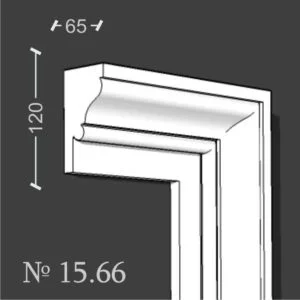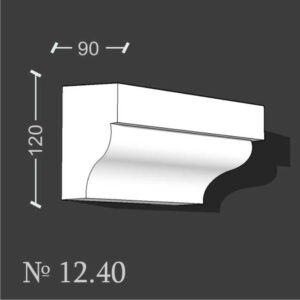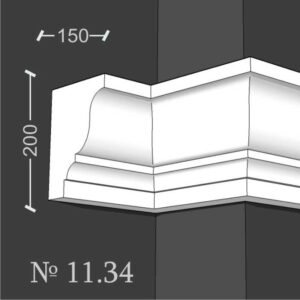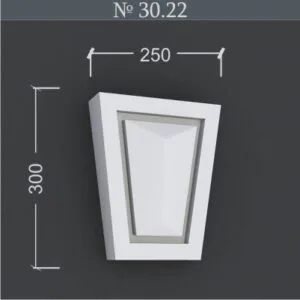
Uncoated EPS polystyrene facades begin fading within the first year of sun exposure, and by year three, nearly 70% show visible loss of color and gloss. The culprit is not poor manufacturing—it is the physical reality that expanded polystyrene has no inherent UV barrier, leaving the polymer chains exposed to oxidation. Contractors often install decorative EPS moldings and exterior foam moldings without specifying protective coatings, assuming the finish coat applied by the facade contractor will suffice. It rarely does, because most facade finishes are designed for moisture and thermal performance, not UV resistance.
Why Raw EPS Polystyrene Oxidizes in Sunlight
Polystyrene is a long-chain hydrocarbon polymer vulnerable to photodegradation when exposed to UV-B and UV-A radiation. The sun’s rays break the polymer bonds at the surface, creating a thin layer of oxidized, chalky material within 3–6 months of installation. This oxidized layer scatters light irregularly, producing the grayish, dull appearance that homeowners mistake for mold or staining.
The process accelerates in climates with high UV index, low humidity, and intense afternoon sun. Southern and southwestern facades deteriorate 40–60% faster than north-facing walls. Polystyrene’s cellular structure also means it absorbs moisture readily, and water trapped in the foam undergoes freeze-thaw cycles in winter climates, further weakening the surface.
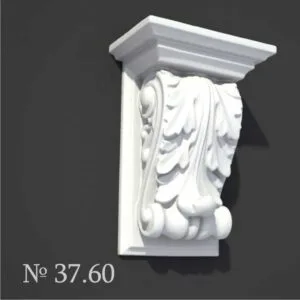
Field experience shows that unprotected foam cornices, quoins, keystones, and other architectural details oxidize first because they lack the protective cement or acrylic coating that covers the main facade. Isolated ornamental EPS pieces are especially vulnerable because they sit directly in sunlight without the buffering effect of a full building envelope.
Three Mechanisms of UV Damage Over 36 Months
Month 1–6: Photo-oxidation begins at the molecular level. The topmost 1–2 microns of polystyrene degrade, creating a powdery surface. Gloss loss occurs first—the surface looks chalky even though no visible discoloration has yet appeared. At this stage, many homeowners report that their new EPS facade “doesn’t look as shiny” as it did at installation.
Month 7–18: Color shift becomes obvious. The polymer degradation intensifies, and the oxidized layer thickens to 10–30 microns. White or light-colored EPS appears gray; darker colors develop a washed-out, desaturated tone. Cleaning may temporarily restore appearance, but the underlying damage is permanent. Contractors report that pressure washing at this stage often makes discoloration worse by removing the thin protective layer and exposing fresh, oxidized material beneath.
Month 19–36: Structural surface degradation accelerates. The weakened oxidized layer begins flaking or peeling in areas of high sun exposure. Decorative window sills and exposed cornice edges show the most damage. The foam underneath becomes more susceptible to moisture penetration, leading to algae growth, water trapping, and eventual delamination if a protective coating was never applied. By year three, an uncoated EPS facade may require full restoration—cleaning, priming, and topcoating—at a cost of $15–$35 per square foot.
Why Standard Facade Coatings Fail on Raw EPS
Most EIFS (External Insulation and Finish System) coatings are acrylic or polymer-modified finishes designed for fiberglass mesh and base coats, not bare polystyrene. These finishes are applied over a reinforced base coat layer that bonds to the foam, but if that base coat is thin or poorly applied, the finish layer provides minimal UV protection to the underlying polystyrene.
Cement-based coatings, commonly used on facades, offer even less UV defense. They are porous and allow UV to penetrate deeply, accelerating subsurface oxidation. Many contractors choose cement finishes for cost savings ($1.50–$2.50 per square foot) without realizing they leave the EPS defenseless against sun damage.
Elastomeric coatings—flexible, high-build finishes—perform much better on EPS because they create a thicker, more continuous UV barrier. However, they must be applied over a proper primer. Applying elastomeric topcoat directly to bare or lightly primed EPS results in poor adhesion, cracking, and premature failure within 2–4 years.
Required Primer Specifications for EPS Sun Protection
An acrylic-based primer formulated for polystyrene is non-negotiable. The primer must penetrate the foam surface, lock in loose particles, and create a uniform substrate for topcoating. Minimum thickness is 100–150 mils (2.5–3.8 mm). Application methods include spray (preferred for speed and consistency), brush, or roller.
Quality primers include brands like Sherwin-Williams High Build Primer for Foam, Benjamin Moore Primer for Rigid Foam, or regional equivalents that meet ASTM D6132 (standard for acrylic primers on foam substrates). Cost runs $1.20–$3.00 per square foot for material; labor adds $3.50–$5.00 per square foot. Many contractors skip this step or apply too-thin coats (50–75 mils) to cut labor time, which dramatically shortens the UV protection window.
The primer must be breathable (water-vapor permeable) to allow moisture trapped in the foam to escape. If the primer is vapor-barrier-like, moisture accumulation can cause soft spots, delamination, or mold growth beneath the finish. Check technical data sheets for water-vapor transmission rate (WVTR) values; aim for primers rated above 5 perms.
| Coating Type | Material Cost (per sqft) | Labor Cost (per sqft) | UV Durability | Recoat Frequency |
|---|---|---|---|---|
| Uncoated EPS | $0 | $0 | 1–2 years fade | Monthly cleaning needed |
| Acrylic primer only | $1.20–$2.00 | $3.50–$5.00 | 2–3 years | Annual touch-up |
| Acrylic primer + elastomeric topcoat | $3.50–$5.50 | $6.00–$9.00 | 5–7 years | Every 3–4 years |
| Polyurethane primer + paint | $5.00–$7.50 | $8.00–$12.00 | 8–10 years | Every 5–6 years |
| Silicon-resin topcoat | $6.50–$9.00 | $10.00–$15.00 | 10–12 years | Every 6–8 years |
Topcoat Systems That Block UV Effectively
Once primed, EPS facades need a topcoat with genuine UV-blocking pigments and resins. Acrylic latex topcoats offer moderate protection (5–7 years) and cost $2–$4 per square foot in material. They are easier to apply and clean than other options but chalk and fade gradually, requiring touch-up every 2–3 years in high-UV climates.
Elastomeric topcoats (rubber-like, flexible finishes) provide better UV resistance (7–10 years) because they maintain surface integrity as the substrate expands and contracts. Cost is $3–$6 per square foot; they are thicker and require slower application. Popular brands include Elastomeric Coatings by Sherwin-Williams and Benjamin Moore’s Elastomeric Waterproofing Paint.
Polyurethane topcoats deliver excellent UV performance (10–12 years) with superior gloss and color retention, but they are more expensive ($5–$8 per square foot) and require two-component mixing. They off-gas during curing and demand proper ventilation. Contractors less familiar with polyurethane systems sometimes apply them too thick, causing bubbling or slow curing in humid climates.
Silicon-resin topcoats represent the premium option, offering 12+ years of UV durability and self-cleaning properties. They cost $6–$10 per square foot but maintain color and gloss far longer than acrylic or elastomeric alternatives. They are less common on residential EPS facades because of cost, but commercial installations and high-end renovations justify the investment.
Installation Sequence to Maximize Sun Protection
The order of operations is critical. Install EPS moldings and set them permanently with approved adhesive (see our guide on EPS adhesive and mortar confusion for details). Allow adhesive to cure fully—48–72 hours minimum—before priming. Surface preparation is essential: brush off loose foam particles, remove dust with a damp cloth, and allow the foam to dry completely before primer application.
Apply primer in thin, even coats. One heavy coat often leads to sagging and poor adhesion; two coats of 75 mils each are more reliable than one 150-mil coat. Allow full primer cure (typically 24–48 hours depending on temperature and humidity) before topcoating. Recoat intervals matter: applying topcoat too early traps solvents; waiting too long reduces adhesion between primer and topcoat.
Topcoat application demands attention to temperature and humidity. Most finishes require 50–85°F ambient temperature and 40–80% relative humidity. Applying in direct sun or at dusk when temperature drops rapidly causes uneven curing, color variation, and poor film formation. Early morning application on a cloudy day is ideal; avoid rainy periods within 24 hours of topcoat application.
Cost Comparison: Protection Versus Replacement
An uncoated EPS facade on a 2,000 square-foot elevation costs roughly $8,000–$12,000 to install. Within three years, fading and deterioration necessitate restoration—priming and topcoating the entire facade at $15–$35 per square foot, totaling $30,000–$70,000 for the same 2,000-square-foot area. That restoration cost often exceeds the original EPS installation.
Applying protective primer and topcoat during initial installation adds $4–$8 per square foot ($8,000–$16,000 for 2,000 square feet) but eliminates the need for major restoration work for 7–12 years depending on system choice. Over a 15-year lifespan, a protected facade requires one light refresh ($8,000–$12,000) versus two full restorations for an unprotected facade ($60,000–$140,000 total). Protection pays for itself within five years.
Regional factors affect costs. Coastal areas with salt spray require more frequent recoating (every 3–4 years instead of 5–7 years) and premium coatings rated for saltwater environments. Desert climates with extreme UV index justify silicon-resin systems upfront rather than acrylic systems that fade rapidly in 4–5 years.
Maintenance and Long-Term Monitoring
Protected EPS facades still require annual inspection. Check for chalking (run your hand along the surface; if white powder transfers, oxidation is advancing), color fading, gloss loss, and any signs of peeling or delamination. Light chalking is normal and does not indicate failure; it suggests the topcoat is doing its job by sacrificing its outer layer to protect the foam beneath.
Gentle cleaning with a soft brush and water extends the life of topcoats and removes algae and mildew that trap moisture. Avoid pressure washing—even at low pressure (under 1,200 PSI), it can damage the topcoat and prime coat. Use a garden hose and mild soap if algae appears; rinse thoroughly.
When recoating becomes necessary (every 5–8 years depending on system), surface preparation is less intensive than the original priming. A light sanding to remove gloss, followed by cleaning and a single topcoat application, usually suffices. This maintenance recoat costs $6–$12 per square foot, a fraction of the original finish cost.
Choosing the Right Protection for Your Climate
High-UV climates (southern U.S., equator-facing facades, high altitude): Use polyurethane or silicon-resin topcoats. Acrylic finishes will chalk noticeably within 3–4 years. Budget $10–$15 per square foot for comprehensive protection.
Moderate-UV climates (northern U.S., mixed sun exposure): Elastomeric or premium acrylic topcoats provide 6–8 years of acceptable performance. Plan for touch-up or spot recoating every 4–5 years. Cost is $5–$8 per square foot.
Coastal climates with salt spray: Silicon-resin or polyurethane systems rated for salt environments are mandatory. Standard acrylic systems fail within 2–3 years. Cost exceeds $12 per square foot but is justified by the extended service life in harsh conditions.
The decision to protect EPS facades from UV damage is not optional if longevity and appearance matter to homeowners or building owners. Unprotected installations inevitably dull, fade, and deteriorate within 3 years, triggering expensive restoration projects that skilled contractors anticipated from the start.