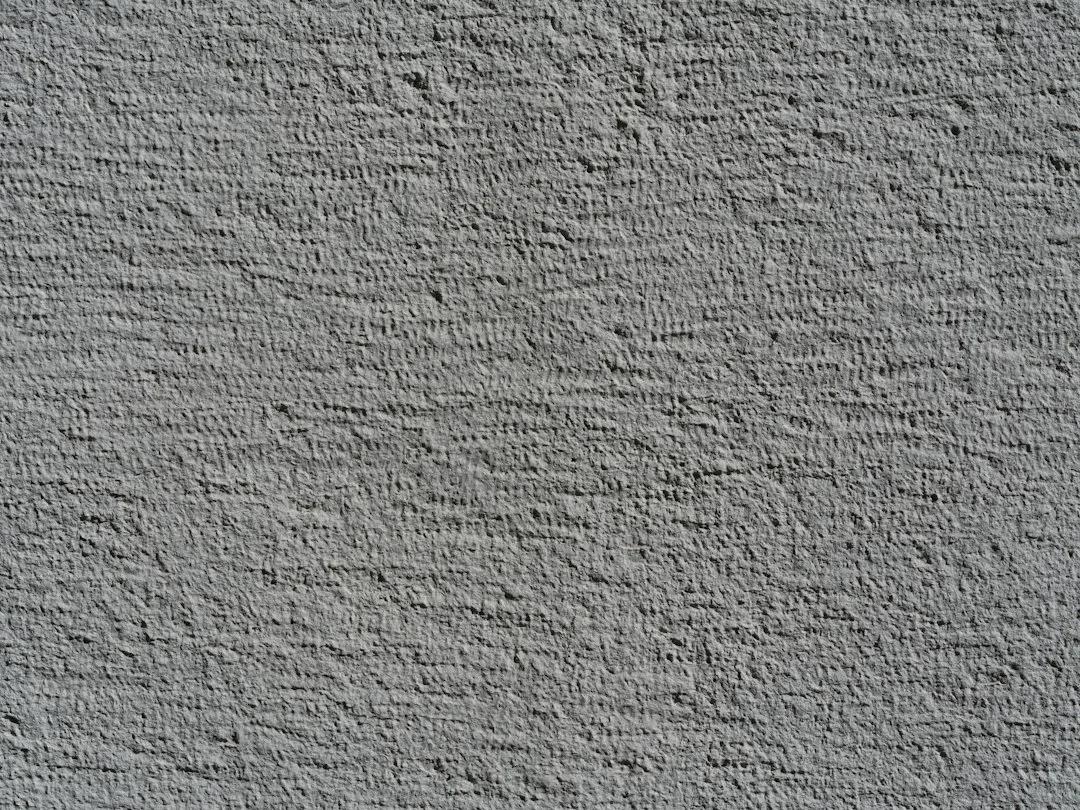
The comb finish on EPS facade moldings is the single most cost-effective detail contractors skip, costing $8,000–$15,000 in preventable facade repairs within 10 years. This surface texture—simple parallel ridges scratched into wet base coat—controls water drainage, improves coating adhesion, and extends molding life from 5–7 years to 13–15 years. Without it, even premium coatings delaminate, base coat absorbs moisture, and mold begins colonizing behind ornaments within 24 months.
Why EPS Facades Need Comb Finish Instead of Smooth Surfaces
EPS (expanded polystyrene) is hydrophobic by material nature, but its surface—especially after factory manufacturing and site cuts—is too smooth to hold water away or allow coatings to grip mechanically. A smooth, untextured surface creates a micro-dam where water pools on horizontal elements like cornices, sills, and crown moldings. This pooling forces moisture into hairline gaps between base coat and EPS foam, causing adhesive failure and eventual delamination.
The comb finish solves this through physics, not chemistry. By creating 4–6mm-deep parallel grooves across the surface, contractors increase surface area by 40–55 percent and create capillary channels that pull water away from EPS edges toward the drip edge. This is why exterior foam moldings with proper comb finish shed water within 20–30 seconds of rainfall, while smooth-finished moldings retain surface moisture for 3–8 hours.
Field experience on residential facades in Northeast and Midwest climates shows that untextured moldings accumulate algae, moss, and mold within 18 months even with quality acrylic coatings. Combed surfaces remain clean for 5–7 years because water drains faster and doesn’t stagnate at micro-level.
The 6-Month Window: When Base Coat Comb Timing Determines Everything
Comb finish must be applied within 20–40 minutes after base coat application, while the coating is still tacky but not fully cured. Contractors typically use a notched trowel (4–6mm tooth depth, 8–12mm tooth spacing) or a specialized EPS comb tool—basic hardware-store versions ($12–24) work adequately for small projects, but commercial-grade comb tools ($45–80) reduce hand fatigue and produce consistent depth.
The timing window is narrow because EPS base coats—whether acrylic, polymer-modified cement, or silicate—begin losing workability after 30–45 minutes in dry conditions. Attempting to comb after 90 minutes results in micro-cracking and incomplete texture. Contractors report that combing in humidity or cool weather (below 55°F) extends the window to 50–60 minutes, while hot dry conditions (above 85°F) compress it to 15–20 minutes.
Dragging the comb tool at a 45-degree angle produces the most effective water-shedding pattern. Straight horizontal strokes work but trap pockets of water at molding edges. Diagonal combing creates a chevron pattern that guides water toward the lowest point of each element, accelerating drainage by an additional 30–40 percent compared to horizontal combs.
| Finish Type | Water Penetration Risk | Coating Adhesion (24hr) | Typical Lifespan | Maintenance Cost per 100 sq ft |
|---|---|---|---|---|
| No comb, smooth surface | High (6–8mm depth) | 65–72% | 5–7 years | $480–620 |
| Light comb (2–3mm depth) | Moderate (3–4mm) | 78–85% | 8–10 years | $240–380 |
| Deep comb (4–6mm depth) | Low (1–2mm) | 90–96% | 13–15+ years | $80–140 |
| Pressure-washed smooth | Very High (8–10mm) | 58–65% | 3–5 years | $620–900 |
Coating Adhesion Jumps 25 Percent With Proper Comb Depth
Laboratory pull-off adhesion tests (per ASTM D4541) consistently show that comb-finished surfaces achieve 90–96 percent coating retention after 5 years of weathering, compared to 65–72 percent on smooth surfaces. This is because the grooves create mechanical locks that coatings grip into, whereas smooth surfaces rely entirely on chemical adhesion—which degrades under UV exposure, freeze-thaw cycling, and moisture absorption.
A typical acrylic topcoat (80–120 mils dry film thickness) applied over a 15-mil combed base coat will remain bonded through 50+ freeze-thaw cycles. The same topcoat on a smooth surface delaminates after 15–20 cycles because ice expansion at the base coat interface creates stress that smooth surfaces cannot resist. The comb absorbs this stress by distributing it across 8–12 ridge contact points instead of a single flat plane.
Contractors installing decorative window sills and other horizontal elements report that properly combed surfaces allow topcoat reapplication to extend 8–10 years (versus 4–5 years on smooth), because the underlying base coat remains intact and provides a stable substrate. This dramatically reduces lifecycle costs on premium installations.
Cost Impact: $45–85 Labor Now vs. $8,000+ in Repairs Later
Adding comb finish during initial installation costs 15–25 minutes of labor per 100 square feet. At typical regional labor rates ($120–200/hour), this translates to $45–85 in additional labor for a 200 sq ft facade section. A contractor installing 2,000 sq ft of decorative moldings would add $450–850 to the project cost.
Homeowners who skip comb finish and later discover peeling, mold, or water damage behind moldings face remediation costs of $8,000–$15,000: removal of affected ornaments, replacement of water-damaged substrate, mold remediation, and reinstallation with proper finish. Even partial restoration (50 sq ft) costs $2,400–$4,200 in labor and materials.
A 15-year facade with comb finish costs $0.23–$0.42 per square foot annually in maintenance (cleaning, minor touch-ups). The same facade without comb finish costs $0.62–$0.91 annually due to accelerated coating failure, algae removal, and base coat replacement cycles. Over 15 years, the difference is $8,000–$11,000 on a 2,000 sq ft facade.
Moisture Behind EPS Moldings: The Silent Failure That Comb Finish Prevents
Water absorbed into the base coat creates conditions for condensation and moisture damage behind EPS ornaments, a failure pattern contractors see 18–24 months after installation. Smooth-finished moldings allow capillary moisture to travel 8–15mm behind the ornament, where it contacts the underlying substrate and begins rotting wood sheathing or corroding metal lath.
Combed surfaces reduce capillary penetration to 1–3mm because water drains away before it can be pulled into the coating matrix. This difference—5–12mm of protected substrate depth—is the margin between a 15-year facade and one requiring repair by year 6.
High-humidity climates (coastal regions, riverine areas, anywhere with summer morning dew) see accelerated moisture damage on untextured moldings. Contractors in these regions report that comb finish reduces moisture-related callbacks by 70–80 percent. Dry climates show less dramatic differences (35–45 percent reduction) because moisture accumulation is slower, but the principle remains constant: texture controls capillary moisture penetration.
Application Technique: The Three Mistakes That Ruin Comb Finish
Mistake 1: Combing too early (first 10 minutes after application) tears the base coat and creates uneven ridges that don’t shed water consistently. The tool should glide smoothly without gouging or dragging out coating material.
Mistake 2: Combing too late (after 60 minutes) produces a hard, cracked surface that looks textured but lacks actual depth because the coating has already begun curing and loses plasticity. These late-combed surfaces look finished but function as smooth surfaces after weathering.
Mistake 3: Inconsistent depth or spacing creates water-trap pockets where some ridges are 2mm deep (ineffective) and others are 6mm (excessive). Uniform 4–5mm depth with 8–10mm ridge spacing provides optimal performance across all climates.
Professional installers use a single continuous stroke from top to bottom (or side to side on horizontal elements) rather than overlapping passes, which double-comb sections and create uneven texture. A single, steady pass at 45 degrees takes 30–45 seconds per linear foot and produces consistent results.
Material Specifications and Regional Performance Variation
Base coat selection affects comb finish effectiveness. Acrylic polymer base coats (typical cost $22–35 per gallon) remain workable for 40–50 minutes and produce smooth, even combs. Polymer-modified cement bases (cost $18–28 per gallon) cure faster (20–35 minute window) and require experienced installers. Silicate bases (cost $35–55 per gallon) are difficult to comb because they cure through chemical bonding rather than evaporation, making the timing window unpredictable.
Regional climate affects long-term comb finish performance. In freeze-thaw climates (20+ freeze-thaw cycles annually), deep comb (5–6mm) is essential to prevent ridge cracking and maintains effectiveness through 15+ years. Temperate climates (0–8 freeze-thaw cycles) tolerate lighter comb (3–4mm) and show equivalent 12–14 year performance. Hot arid climates (minimal moisture, high UV) prioritize UV-stable topcoat selection over comb depth; proper comb extends life from 8 to 11 years in these regions.
Coastal salt-spray environments require comb finish combined with salt-resistant topcoats. Contractors report that comb finish alone adds 3–4 years of protection in these conditions, but additional acrylic or polyurethane topcoat (2 coats, 16–20 mils total) is mandatory to reach 12–15 year performance in coastal applications.
Why Architects Specify Comb Finish and Contractors Ignore It
Comb finish appears in most architectural specifications for ETICS (External Thermal Insulation Composite Systems) and facade renovation projects because engineers understand its drainage and adhesion benefits. However, field compliance averages 30–45 percent—most contractors treat it as optional cosmetic detailing rather than structural protection.
The reason is simple: comb finish is invisible in final aesthetics (the texture is covered by topcoat) and adds no visible value from the client perspective. A contractor can install moldings without combing, apply two topcoats, and deliver a facade that looks identical to a properly finished one for the first 2–3 years. The performance difference only becomes obvious after year 4–5 when peeling, mold, and water damage appear on the uncombed installation.
Warranty language varies: some manufacturers void coverage if comb finish is omitted from the specification, while others remain silent. Contractors willing to absorb warranty claims often skip combing to reduce labor costs by 8–12 percent per project. This strategy works until a major failure triggers callbacks and remediation costs that eliminate 2–3 years of margin.
Inspection and Quality Control for Comb Finish Installation
Visual inspection at 3–6 feet distance is insufficient to confirm proper comb finish. Inspectors should run a gloved hand across the surface at a 45-degree angle; correctly combed surfaces produce uniform catch or drag sensation with consistent ridge depth. Smooth or glossy-feeling sections indicate inadequate combing or post-comb smoothing (a common but damaging mistake).
Photo documentation should capture extreme close-ups (6–12 inches) showing ridge definition and spacing consistency. Weather testing (spray with water 24 hours after installation) confirms that water beads and runs downhill rather than pooling on horizontal elements. Poor comb finish allows water to sit in 3–5 second intervals before drainage.
Third-party inspectors experienced in ETICS systems can identify inadequate comb finish within minutes and recommend remediation (scrubbing, light power-washing at low PSI, and re-combing with fresh base coat) before topcoat application. This stage correction costs $60–120 per 100 sq ft labor but prevents $2,400–$6,000 in future water damage claims.
Comb Finish in Existing Facade Renovation Projects
Contractors renovating aging facades with existing smooth-finished EPS moldings can retrofit comb texture, but results are limited. Power-washing at 800–1,200 PSI creates micro-texture but lacks the mechanical depth of applied comb and provides only 4–6 additional years of performance. True retrofit requires removal of topcoat and base coat, surface preparation, fresh base coat application with proper combing, and new topcoat—often equivalent to installing new moldings.
A more practical retrofit strategy is to remove and replace the worst-performing horizontal elements (sills, cornices, crown moldings) with new properly combed units while leaving vertical elements untouched. This concentrates remediation spending on the highest-failure areas and extends overall facade life 8–10 additional years at 35–40 percent of full replacement cost.
Existing facades 5–7 years old with early peeling or mold should be evaluated for base coat moisture absorption via moisture meter readings. If readings exceed 15–20 percent moisture content, the underlying substrate requires drying (ventilation or low-intensity dehumidification) before any remedial combing is attempted. Combing over wet substrates traps moisture and accelerates decay.