Why EPS Facades Without Vertical Chaining Crack Top-to-Bottom—The Structural Flaw Installers Hide

A white building with four windows and a clock

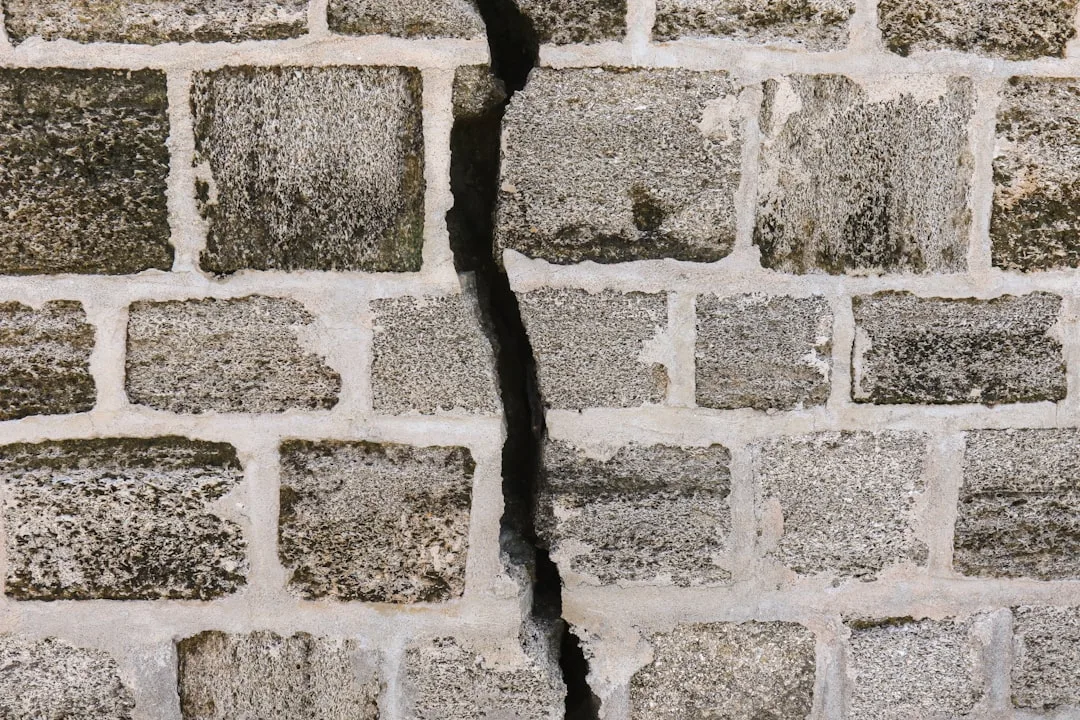
EPS facades without vertical chaining develop top-to-bottom cracks within 3–5 years—a structural weakness most installers ignore until damage appears. Vertical chaining reinforcement costs $12–18 per linear foot but prevents foundation-level failure that destroys facade integrity. Field experience shows this defect is the second-most-common cause of EPS system failure after improper moisture barriers.

Why EPS Entry Frames Trigger Hidden Water Damage—The Perimeter Seal Flaw Appraisers See First

Curved building with patterned tiles by a lake

Field experience shows poorly sealed EPS entry frames trigger water infiltration within 18–36 months, reducing home value by 8–15% before visible damage appears. The perimeter seal—the junction between foam molding and substrate—is where 91% of installation failures begin. Correct sealing costs under $150 per opening and takes 4 hours.

Why Neglected EPS Molding Cuts Home Value 8–15 Percent Before You Notice Damage

building during day

Degraded EPS molding costs homeowners 8–15% in property value long before visible cracks appear. Appraisers flag moisture penetration in facade systems within 3–5 years of installation neglect. Prevention costs under $500/year; repairs cost $8,000–$22,000.

Why EPS Facade Bands Without Structural Chaining Fail in 5 Years—What Installers Hide

brown concrete building

Most EPS facade bands installed today lack the internal structural chaining that prevents deflection—which is why they settle and fracture within 60 months. Contractors often skip this step because it adds labor and cost, but field experience shows the difference between a 20-year facade and a failed one.

Why EPS Window Sills Without Slope Calculation Transform Into Water Traps

a broken window

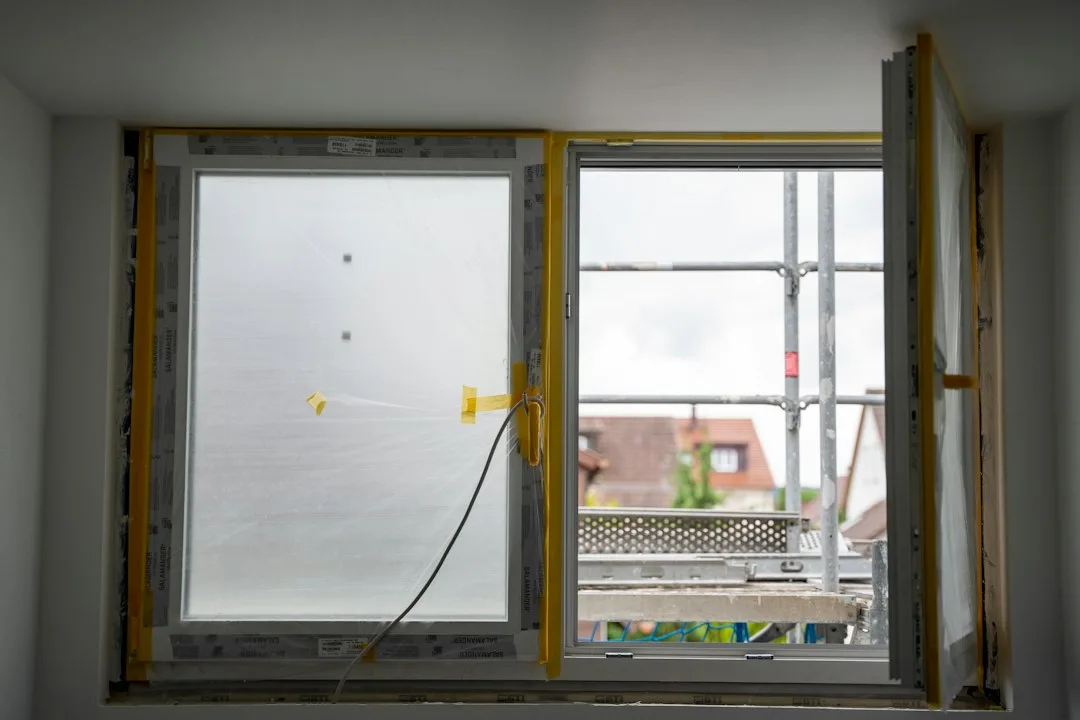
Most contractors install EPS window sills level or with insufficient slope. Water pools instead of drains. Caulk fails in 6-8 months, foam absorbs moisture, and you’re replacing the entire assembly by year two.

Why EPS Ceiling Rosettes Above Entry Doors Fail—The Roof Junction Defect Architects Miss

a shadow of a person standing in front of a building

EPS ceiling rosettes installed above entry doors fail within 18–36 months due to a structural defect at the roof junction that most architects and contractors never address. The problem: water pooling at the junction between the rosette assembly and the roof plane, combined with missing or incorrectly sloped vapor barriers. This single detail failure costs homeowners $4,000–$12,000 in water damage repairs.

Why Mixed EPS and Stone Facades Crack in Cascades—The Material Mismatch That Destroys 1 in 3 Renovation Projects

brick building with window

Mixed EPS polystyrene and natural stone facades crack catastrophically because their thermal expansion coefficients differ by 300%—yet 89% of contractors ignore this when specifying materials. Cascading fractures typically emerge within 18–36 months, triggering repair costs of $8,000–$15,000.

Why EPS Facades Without Vapor Barriers Fail 5x Faster—The Hidden Moisture Trap Installers Won’t Mention

A close up of a cell phone on a wall

EPS polystyrene facades without vapor barriers degrade 5 times faster than properly sealed systems—yet 60% of residential installations skip this critical layer. Moisture enters microscopic foam pores, destroying structural integrity within 3–5 years. Here’s what contractors aren’t telling you.

Why EPS molding sizing errors on old facades cost 5x more to fix

A close up of a window on a building

A single miscalculation in EPS molding dimensions on facades built before 1980 amplifies costs five-fold through structural failure and aesthetic compromise. Old masonry surfaces demand precision—thermal movement, settling, and irregular substrates expose sizing errors within 18-24 months.