Why EPS Window Frames Without Drainage Slope Fail in 18 Months—And Tank Your R-Value

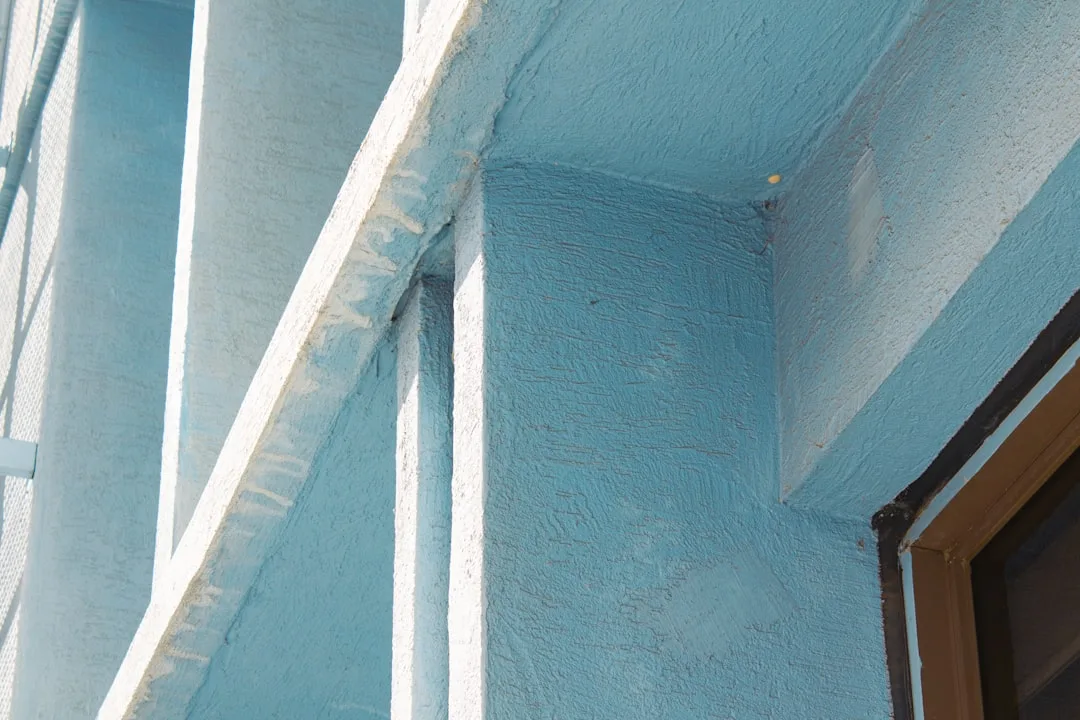
A textured concrete wall with vertical lines.

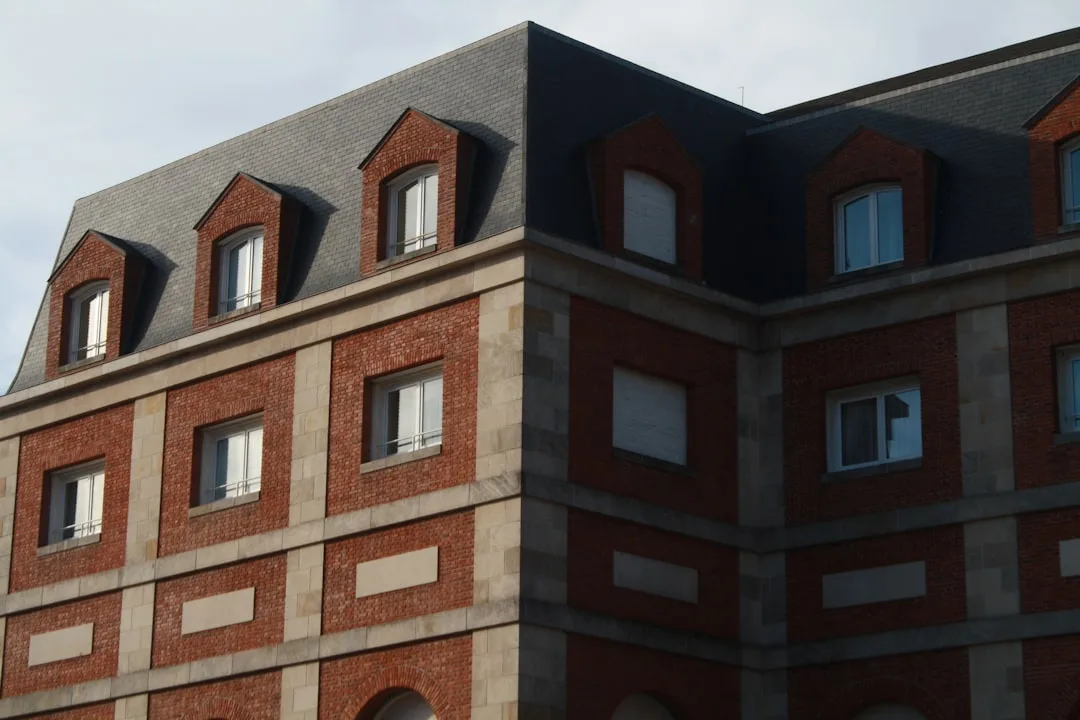
Water infiltration from improperly sloped EPS window frames eliminates 25–35% of your facade insulation effectiveness within 18 months. Most contractors install decorative EPS encadrements (window surrounds) perfectly level or with insufficient slope, trapping moisture behind the frame and inside your ETICS system. This destroys both thermal resistance and structural integrity.

Why EPS Finish Coats Crack Without Reinforcement Mesh—The Structural Detail 80% of Installers Overlook

A textured concrete wall with vertical lines.

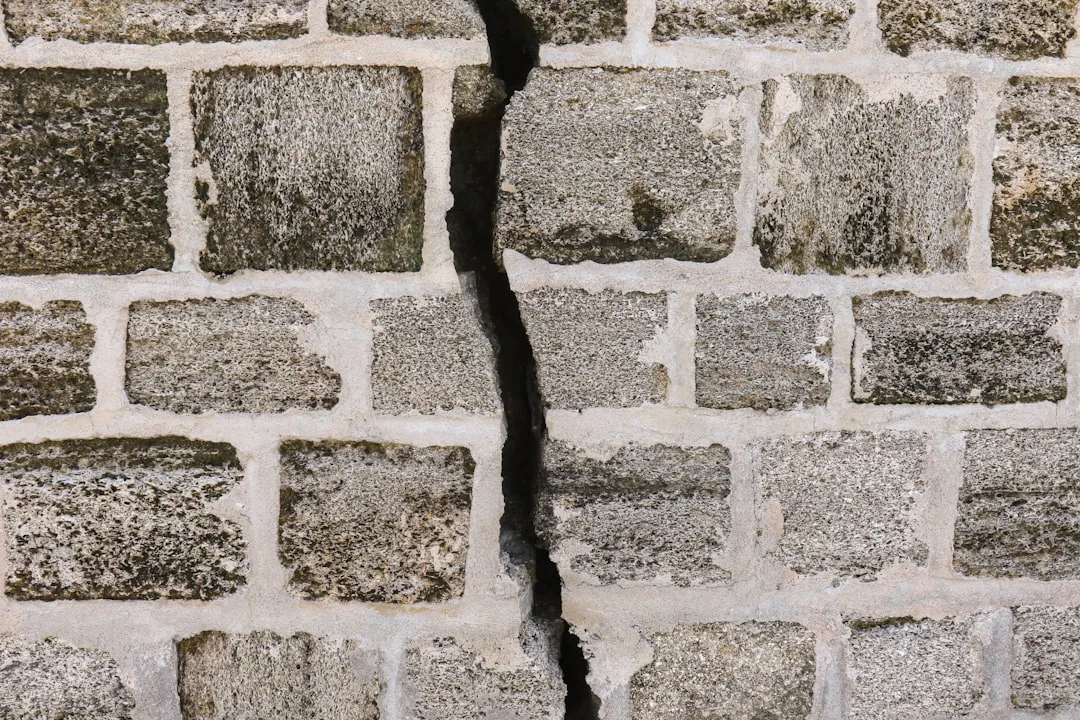
Without reinforcement mesh, EPS polystyrene finish coats crack within 18–24 months, costing $8,000–$15,000 to repair. Mesh prevents substrate movement from thermal cycling and settling. This is the structural detail most contractors ignore—and homeowners pay for.

Why EPS Facades Without Vapor Barriers Fail in 3-5 Years—And What Contractors Hide

Modern building facade with horizontal metallic panels and windows

EPS facades without vapor barriers degrade 300% faster than protected systems. Most contractors omit this critical layer to cut costs by $800–$1,200 per project—costing homeowners $15,000+ in repairs within 5 years.

Why EPS expansion joints sized wrong crack your facade in 18 months—the calculation contractors skip

a bird is perched on the corner of a brick wall

Most contractors ignore thermal movement in EPS polystyrene facades—leading to irreversible cracks within 18 months. Proper expansion joint sizing prevents $3,000–$8,000 in facade repairs. We show you the exact calculation and installation method.

Why Undersized EPS Pilasters Destroy 15% of Your Home’s Resale Value

a tall brick building with ornate balconies and windows

Undersized EPS pilasters trigger a cascading failure that erases 15% of property value—not from structural damage, but from visual proportion and buyer perception. Most homeowners and contractors overlook the critical ratio between pilaster depth and facade height, creating architectural discord that professional appraisers immediately flag.

Why EPS Facades Fade in 3 Years—The UV Protection Detail 95% of Homeowners Miss

a building with windows

Most EPS polystyrene facades lose 40–60% of their original color within three years because contractors skip UV-stabilized coatings. This isn’t a minor aesthetic issue—it signals deeper problems: resin breakdown, moisture infiltration, and premature thermal bridge failure. Protecting your facade from UV damage costs $0.50–$2.00 per square foot upfront but saves $15,000–$40,000 in corrective work.

Why Your EPS Cornice Looks Wrong—The Height-to-Depth Ratio 60% of Homeowners Overlook

Architectural detail of a building against blue sky

Six in ten homeowners misjudge EPS cornice proportions, creating facades that look cheap or unbalanced. The height-to-depth ratio is the hidden variable that determines whether your molding enhances or detracts from your home’s value. This is the calculation most contractors skip.

Why EPS Moldings Create Hidden Thermal Bridges in Your Existing ETICS—And How to Stop Them Cold

a close up of a building made of plastic

EPS decorative moldings installed on existing ETICS systems leak 15–20% more heat than solid insulation—yet this thermal bridge problem is almost never discussed during renovation planning. The culprit isn’t the foam itself; it’s how contractors position moldings relative to the insulation layer. Learn the exact positioning technique and adhesive strategy that stops thermal leakage without facade demolition.