Why EPS Window Sills Fail in Rain—The Slope Mistake 85% of Installers Make

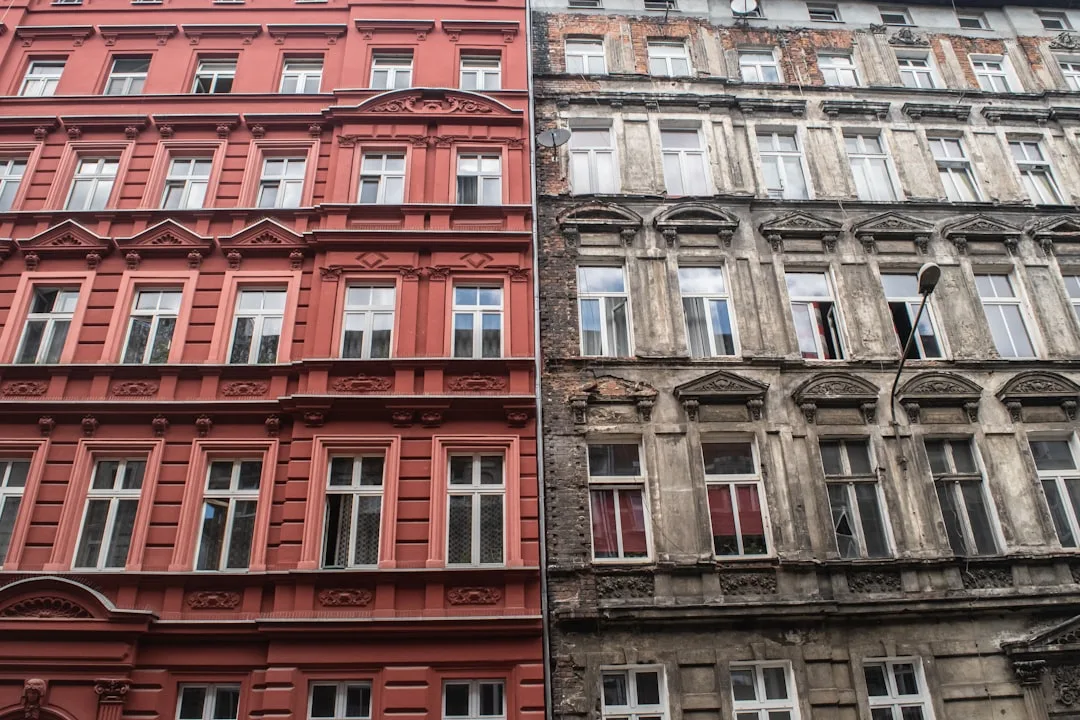
a window with a blue sky and clouds reflected in it

Most EPS window sill failures aren’t material defects—they’re installation errors that trap water and cause degradation within 18–24 months. The culprit: installers set sills level or with insufficient slope, allowing rainwater to pool instead of drain. A 2–4° slope outward cuts failure risk by 90%.

Why EPS facade bands peel off in winter—and the adhesive choice that stops it cold

A white building with four windows and a clock

EPS facade bands fail in winter because adhesive loses grip during repeated freeze-thaw cycles, not because EPS is weak. Polyurethane foam adhesive and mechanical fasteners solve this permanently, costing €12–25 per linear meter installed.

Why EPS facade coatings split at 18 months—the contractor mistake that costs $12,000 in repairs

an old building with a green door and window

Most EPS polystyrene facades develop visible crazing and hairline cracks within 18 months—not because the foam fails, but because installers skip one critical step. The difference between a facade that lasts 25 years and one that costs you $12,000 in repairs comes down to substrate preparation, moisture management, and coating selection.

Why EPS window frames fail at year three while neighbors’ last twenty

80% of EPS window frame failures happen before year four—not from material defect, but from undersizing. Contractors choose 80mm thickness to cut costs; homeowners pay €1,800 to replace cracked surrounds by year five. The real solution involves density selection and installation technique most builders ignore.

Why EPS polystyrene facades crack within five years (and how contractors hide the real cause)

brown and black concrete wall

Most homeowners discover moisture damage in their EPS polystyrene facades only after cracks appear—but the water infiltration started months earlier behind the finish coat. The real protection happens at installation, not repair. Here’s what actually stops damage.

EPS Ceiling Rosettes Anchor Entry Character and Protect Resale Value

the ceiling of a building with a clock on it

EPS polystyrene ceiling rosettes create architectural focal points at entry doors that signal quality and intentional design to visitors. These lightweight foam moldings cost 40–60% less than plaster equivalents while offering superior durability, moisture resistance, and easier installation.

Architectural Corbels on a Facade Reveal the Real Quality of Your Renovation Instantly

a close up of a building with a clock on the front of it

A single architectural corbel placed on a facade tells any experienced eye whether a renovation was done properly or cut short. EPS polystyrene corbels are affordable and durable, but installation and finish details separate a professional result from an amateur one. Here is what actually matters.