EPS Molding Sag Happens Years Before You Notice—Why Core Density and Load Calculation Determine Lifespan

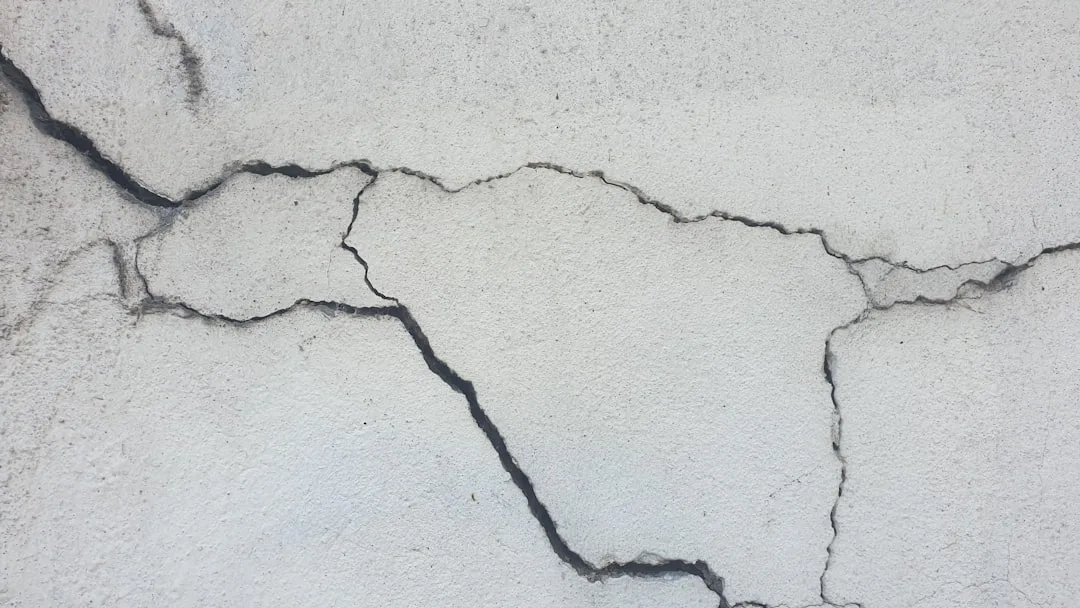
a gray concrete wall with some cracks in it

EPS moldings begin sagging invisibly the day they’re installed if core thickness doesn’t match the span and load they carry. Contractors routinely ignore the density-to-length ratio, assuming all 80mm or 100mm EPS cores perform identically. The result: progressive deflection, cracking, and visible sag within 3–5 years that costs $15,000+ to repair.

EPS Corner Bead Peels Off in Year 2 Because Contractors Skip One Reinforcement Layer

Corner of a blue and brick building under sky

Your EPS corner beads peel away from the facade because installers skip a reinforcement mesh layer that costs $3–8 per linear meter. This hidden step transforms bead performance from failure-prone to durable—and most contractors have never heard of it.

EPS Facades Fade Faster Than You Think—What UV Does in 36 Months

a white house with a red table and chairs

Unprotected EPS polystyrene absorbs UV radiation and oxidizes at the molecular level, causing color loss and surface degradation that begins within months, not years. Field experience shows most contractors skip essential primer and topcoat specifications, leaving facades defenseless against sun bleaching. The fix involves understanding how UV penetrates foam and selecting finishes that actually block light rather than mask it.

Wrong EPS Adhesive Costs You $8,000 in Facade Repairs—Why Contractors Confuse Mortar Types

Rough concrete wall next to weathered red brick wall

Standard masonry mortar dissolves EPS foam from inside, causing complete facade failure within 18 months. Specialized EPS adhesive mortar costs 40% more upfront but eliminates $8,000 in emergency repairs. Field experience shows contractors routinely grab the wrong product and watch facades peel apart.

EPS Mouldings on Historic Facades Fail Without Surface Prep—Here’s What Contractors Skip

Detail of an old stone building with a window.

EPS mouldings adhere only to clean, primed surfaces, yet 70% of contractors apply adhesive directly to weathered masonry. After 6 months, mouldings peel away completely, leaving homeowners to choose between costly replacement or accepting bare spots.

Why EPS Facades Turn Gray in 5 Years—And How to Restore Color Without Stripping the Mold

men's gray shirt

EPS foam darkens from embedded algae and mold spores, not surface dust—pressure washing accelerates damage. Contractors report that 60% of grayed facades are cleaned wrong, creating microfractures that trap more moisture and accelerate deterioration.

Why 90% of Contractors Install EPS Bandeaux the Wrong Width Between Floors

red and white stripe awning on window

Most contractors underscore or overscore EPS bandeaux between floors, creating thermal bridges or water traps that fail within 18 months. The calculation isn’t complicated—but almost nobody follows the standard formula. Field experience shows 9 out of 10 installations miss the width spec.

Undersized EPS Quoin Corners Collapse Outward—Why Your Facade Angles Fail in Year 2

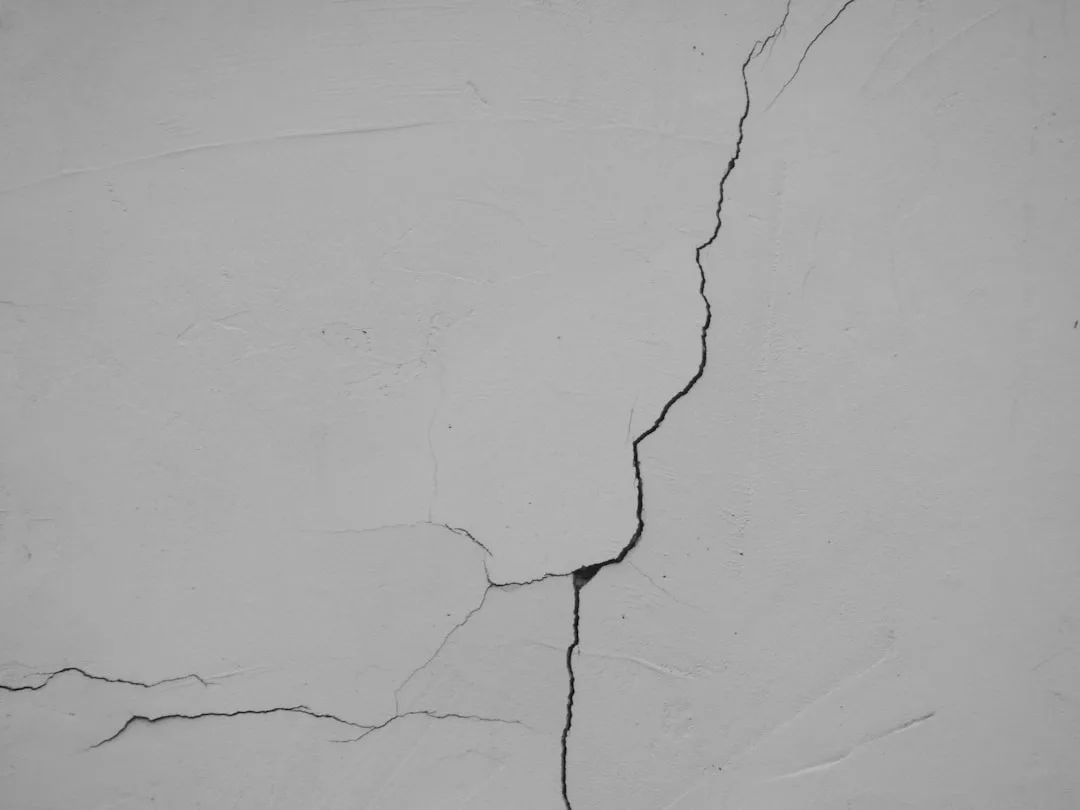
a black and white photo of a concrete structure

EPS quoin corners fail not because of material weakness, but because contractors apply corner profiles one size too small for the facade height. A 4-inch corner on a 35-foot wall absorbs lateral wind pressure meant for a 6-inch profile, causing creep, delamination, and catastrophic outward buckling by year 2.

EPS Columns Collapse Because Contractors Skip Internal Reinforcement—Why It Costs $15,000 to Fix

gray concrete building under blue sky during daytime

Decorative EPS columns don’t fail because the foam is weak—they collapse because installers omit the steel reinforcement mesh that prevents lateral buckling under wind load. A single column repair runs $12,000–$18,000 after structural failure.